Why Do Some People Sleep With Their Eyes Open?
Read time: 4 minutes
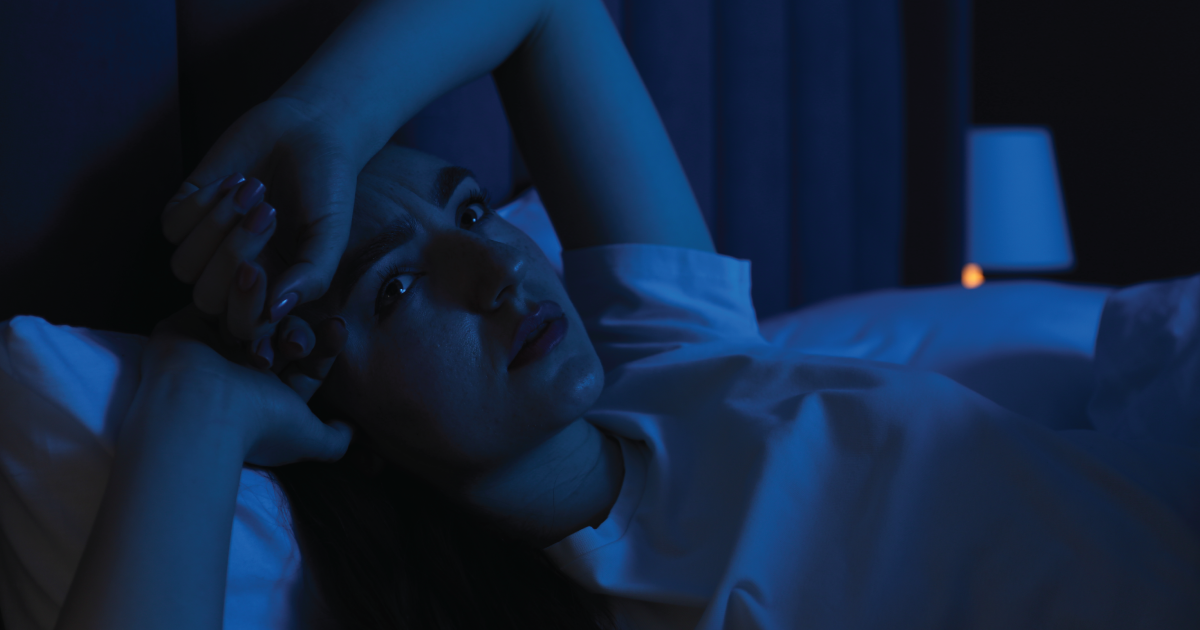
Sleeping with your eyes open sounds unusual, but it’s more common than most people realize. Some people notice it when a partner points it out. Others wake up with dry, irritated eyes and have no idea why. The medical term for sleeping with the eyes partially or fully open is nocturnal lagophthalmos, and it can affect both children and adults.
While it may look alarming, this condition usually has a physical explanation. Understanding why it happens—and when it matters—can help protect eye comfort and long-term eye health.
The American Academy of Ophthalmology explains that sleeping with the eyes partially open, a condition known as nocturnal lagophthalmos, can expose the eye surface overnight and lead to dryness or irritation.
What Happens When Eyes Don’t Fully Close During Sleep
When you sleep, your eyelids normally close to protect the surface of the eye. This allows the tear film to stay balanced and prevents the cornea from drying out.
When the eyes remain partially open:
- Tears evaporate more quickly
- The cornea is exposed to air
- The eyes may not fully recover overnight
Over time, this can lead to discomfort or visual symptoms, especially upon waking.
Common Reasons People Sleep With Their Eyes Open
There isn’t just one cause. Nocturnal lagophthalmos can happen for several reasons.
Common contributing factors include:
- Facial anatomy: Some people naturally have eyelids that do not close tightly
- Facial nerve issues: Conditions affecting facial nerves can interfere with eyelid movement
- Eyelid muscle weakness: Muscles that help close the eyes may not function fully during sleep
- Previous eye or facial surgery: Certain procedures can temporarily or permanently affect eyelid closure
- Sleep position: Sleeping with the face pressed into a pillow can keep eyelids slightly open
In children, this can sometimes be noticed early and may resolve with age.
According to Cleveland Clinic, lagophthalmos occurs when the eyelids are unable to fully close, which can be caused by facial nerve issues, eyelid muscle weakness, or structural differences around the eyes.
A Brief Look at History and Cultural Beliefs
Historically, sleeping with eyes open has been misunderstood. In some cultures, it was associated with superstition, alertness, or even fear. Ancient medical texts occasionally described open-eyed sleepers as being in a “lighter” state of rest.
Modern medicine has replaced those beliefs with a clearer understanding of anatomy and nerve function. What once seemed mysterious is now recognized as a mechanical issue rather than a psychological one.
Signs Your Eyes May Be Affected
Not everyone who sleeps with their eyes open will notice symptoms. For others, the signs can be persistent.
Common symptoms include:
- Dry or gritty feeling upon waking
- Redness or irritation in the morning
- Blurred vision that improves after blinking
- Burning or stinging sensations
- Increased sensitivity to light
If these symptoms happen often, they may point to overnight exposure rather than daytime strain.
Why Eye Health Matters During Sleep
Sleep is a recovery period for the eyes. During this time:
- The corneal surface repairs itself
- Tear film quality resets
- Inflammation levels decrease
When eyelids do not fully close, this recovery process is interrupted. Over time, repeated exposure can contribute to chronic dryness or surface irritation.
How This Is Treated Today
Treatment depends on severity. Many cases are mild and manageable.
Common approaches include:
- Lubricating eye drops or ointments before bed
- Moisture goggles or sleep masks
- Improving sleep environment humidity
- Addressing underlying nerve or eyelid issues
In more persistent cases, an eye care professional may recommend targeted treatment based on eyelid function.
When to Seek Professional Care
Occasional dryness happens to everyone. However, ongoing symptoms should not be ignored.
An eye exam may be helpful if:
- Morning irritation is frequent
- Redness lasts well into the day
- Vision fluctuates after waking
- Dry eye treatments don’t seem to help
Identifying nocturnal lagophthalmos can make treatment more effective and prevent long-term surface damage.
The Takeaway
Sleeping with your eyes open is more common than it sounds and it usually has a physical cause. While mild cases may only cause dryness, untreated exposure over time can affect comfort and eye health. Awareness is the first step toward protecting your eyes during sleep.
At Urban Optiks Optometry, understanding everyday habits - including how your eyes rest at night - helps support clearer, more comfortable vision during the day.
Waking up with dry, irritated, or blurry eyes?
Schedule an eye exam at Urban Optiks Optometry to find out whether overnight eye exposure may be affecting your comfort and eye health.
Share this blog post on social or with a friend:
The information provided in this article is intended for general knowledge and educational purposes only and should not be construed as medical advice. It is strongly recommended to consult with an eye care professional for personalized recommendations and guidance regarding your individual needs and eye health concerns.
All of Urban Optiks Optometry's blog posts and articles contain information carefully curated from openly sourced materials available in the public domain. We strive to ensure the accuracy and relevance of the information provided. For a comprehensive understanding of our practices and to read our full disclosure statement, please click here.