The Hidden Eye Health Risks of Indoor Tanning
Read time: 5 minutes
Indoor tanning is often discussed in terms of skin damage, premature aging, and skin cancer. Far less attention is given to how tanning beds affect the eyes, even though ocular tissues are highly vulnerable to ultraviolet (UV) radiation.
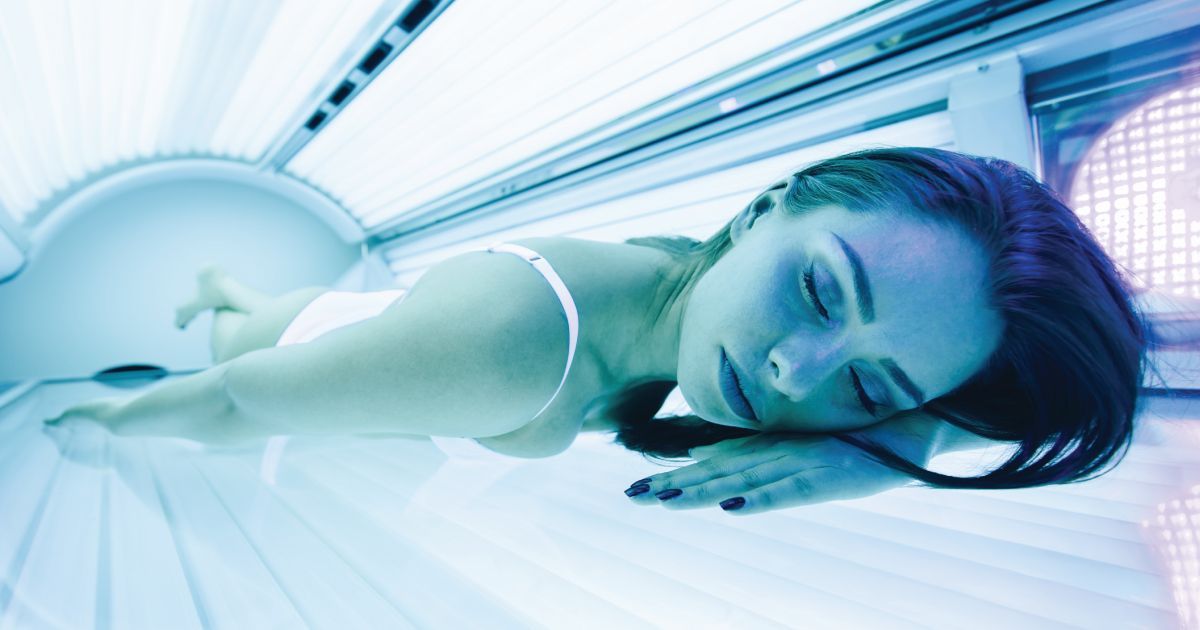
Tanning beds emit concentrated UVA and UVB radiation at close range. That exposure can injure delicate eye structures within minutes, while repeated sessions may contribute to long-term vision problems that develop gradually over time. Understanding how indoor tanning affects eye health is an important part of protecting your vision for the future.
Why the Eyes Are Especially Vulnerable
Unlike skin, which can develop some natural thickening in response to repeated exposure, the tissues of the eye are thin, highly specialized, and unable to regenerate many damaged internal structures.
When UV radiation reaches the eyes, several structures may be affected:
- The cornea and conjunctiva absorb direct UV exposure
- The eye’s natural lens can undergo structural damage over time
- The retina may experience cumulative stress from ongoing exposure
Tanning beds can deliver UV radiation levels comparable to, or even stronger than, midday sun exposure, but at a much closer distance. That proximity increases intensity while limiting many of the body’s natural protective responses. The American Academy of Ophthalmology notes that indoor tanning devices can damage multiple parts of the eye through ultraviolet exposure.
Immediate Eye Risks From Tanning Beds
Some forms of UV-related eye damage can occur rapidly and may appear only hours after exposure.
Short-Term Effects
One of the most common acute injuries is photokeratitis, often described as a “sunburn” of the cornea. Symptoms may include:
- Eye pain and redness
- Excessive tearing
- Light sensitivity
- Blurred or hazy vision
- Burning or gritty sensations
Photokeratitis can feel similar to having sand trapped in the eyes and may take several days to fully resolve. Even a single tanning session without proper eye protection may trigger symptoms.
The U.S. Food and Drug Administration also warns that tanning beds and sunlamps can cause both short-term and long-term eye damage due to UV radiation exposure.
Long-Term Vision Concerns
Repeated ultraviolet exposure may increase the risk of several progressive eye conditions that can affect long-term vision and ocular health. UV exposure has also been linked to cataract development over time, which we discuss further in our article, Can Sunglasses Prevent Cataracts? The Science Behind the Claim.
Long-Term Risks Include:
- Cataracts caused by clouding of the eye’s natural lens
- Macular damage that affects detailed central vision
- Pterygium, a growth on the white of the eye
- Increased risk of eyelid skin cancers
- Premature aging of ocular tissues
- Pterygium, a growth on the white of the eye. Learn more in our article, Pinguecula and Pterygium: What Are Those Bumps on Your Eye?
These conditions often develop slowly over many years. Many patients never associate eye problems later in life with UV exposure habits from their teens or twenties.
The National Institutes of Health MedlinePlus states that indoor tanning exposes the body to high levels of ultraviolet radiation and carries no proven health benefit.
Why Closing Your Eyes Does Not Protect You
A common misconception is that closing the eyes during tanning is enough to prevent injury. In reality, eyelid skin is extremely thin, allowing UV radiation to penetrate and reach deeper structures of the eye.
Even with the eyes closed:
- UV radiation can still penetrate the eyelids
- Internal eye structures may continue absorbing UV energy
- The lens and surrounding tissues remain vulnerable
Closing the eyes offers minimal protection, which is why approved protective eyewear is required in tanning facilities.
The Importance of Protective Eyewear
Protective goggles specifically designed for tanning beds are the only reliable way to reduce direct UV exposure during indoor tanning sessions.
Effective tanning eyewear should:
- Fully cover the eyes
- Block 100% of UVA and UVB radiation
- Fit securely without gaps
- Remain on for the entire session
Standard sunglasses are not designed for tanning equipment and do not provide adequate protection. Even with goggles, however, surrounding eyelid skin remains exposed to UV radiation.
Indoor Tanning and Contact Lenses
Contact lenses, including those marketed with UV-filtering properties, do not provide complete protection from tanning bed radiation.
Potential concerns include:
- Increased dryness and irritation
- Reduced oxygen flow to the cornea
- A false sense of protection
Contact lenses should never be used as a substitute for proper UV-blocking protective eyewear.
A Brief Historical Perspective
Indoor tanning gained widespread popularity during the late twentieth century. Early public health concerns focused primarily on skin cancer risks, but as research expanded, medical professionals also began documenting eye injuries associated with artificial UV exposure.
That growing body of evidence eventually led to stronger safety regulations and broader awareness from organizations such as the Environmental Protection Agency and major ophthalmic associations. Today, the medical consensus is clear: there is no safe level of unprotected indoor tanning from an eye health perspective.
Why UV Damage Often Goes Unnoticed
One of the most concerning aspects of UV-related eye injury is that damage can accumulate silently over time. Many patients experience no immediate symptoms despite repeated exposure.
By the time noticeable vision changes occur, structural damage may already be advanced. Comprehensive eye examinations play an important role in identifying early signs of UV-related stress before permanent vision changes develop.
Safer Cosmetic Alternatives
For those seeking cosmetic color without UV exposure, several alternatives avoid the risks associated with tanning beds:
- Professional spray tanning
- Sunless tanning lotions
- Bronzing cosmetics
These options provide cosmetic results without exposing the eyes or skin to concentrated ultraviolet radiation.
The Takeaway
Indoor tanning affects more than the skin. The concentrated ultraviolet radiation used in tanning beds can injure the eyes quickly and contribute to serious long-term vision concerns. Closing the eyes during tanning is not protective, and contact lenses do not shield against UV damage.
Protecting your long-term vision starts with recognizing everyday habits that may place unnecessary stress on the eyes. At Urban Optiks Optometry, comprehensive eye care includes helping patients understand how lifestyle choices influence ocular health both now and in the years ahead.
Your eyes are exposed to ultraviolet light every day, often in ways that are easy to overlook. If you have concerns about UV exposure, eye irritation, light sensitivity, or long-term vision health, a comprehensive eye examination can help identify early signs of damage before they begin affecting your vision. Schedule an appointment with Urban Optiks Optometry to protect and preserve your eye health for the future.
Share this blog post on social or with a friend:
The information provided in this article is intended for general knowledge and educational purposes only and should not be construed as medical advice. It is strongly recommended to consult with an eye care professional for personalized recommendations and guidance regarding your individual needs and eye health concerns.
All of Urban Optiks Optometry's blog posts and articles contain information carefully curated from openly sourced materials available in the public domain. We strive to ensure the accuracy and relevance of the information provided. For a comprehensive understanding of our practices and to read our full disclosure statement, please click here.