Choosing the Right Sunglass Lenses for Everyday Comfort

Read time: 4 minutes
Choosing the right pair of sunglasses is about more than looks. It's about function, comfort, and how they fit into your day-to-day routine. Two of the most talked-about lens types are photochromic and polarized. Both help with brightness and visibility, but they do it in different ways. If you have been wondering which type works better for you, your lifestyle, and your environment, it can help to break down what makes each one different.
We see a lot of people looking for luxury prescription sunglasses that protect their eyes and match their style. What is right for one person might feel totally off for the next, and a sunny city like San Diego adds its own twist. Whether you spend time outdoors year-round or just drive to and from work, your lens choice plays a part in how comfortable your vision stays from morning to night.
How Photochromic Lenses Work
Photochromic lenses are made to change depending on how much UV light is around. They stay clear, or almost clear, when you are inside or in the shade. Once you head outside and light hits the lenses, they darken on their own. Then, when you go back indoors, they gradually fade back to clear.
This makes them useful if you are moving between sun and shade all day. You do not have to carry around an extra pair of sunglasses or switch between frames. In places like San Diego, where bright winter days can sneak up on you, this kind of lens flexibility is a big plus.
- These lenses darken automatically in UV light
- They clear up again when you go indoors
- They are helpful for people who go in and out often throughout the day
Late winter and early spring usually bring cooler days, but there is still plenty of sunlight, especially in Southern California. Photochromic lenses can take out the extra step of changing glasses when the light shifts throughout the day, making them a solid choice if you are out and about but not always in full sun.
What Makes Polarized Lenses Different
Polarized lenses are built to reduce glare. That sharp shine you see off water, glass, or pavement? Polarized lenses help filter it out. They work by blocking horizontal light waves so your eyes do not have to adjust as often or strain to see clearly.
Unlike photochromic lenses, these stay the same tint all day. They do not shift or get lighter on their own. That steady tint can make a big difference when you are spending time in consistently bright spaces.
- They help cut glare from shiny surfaces, such as water or car windows
- They have a constant tint level, with no shifting
- They are great for driving, being near water, or walking through sunny spots
If your day often includes time on the road, near the beach, or in places where light bounces around, polarized lenses do a great job keeping your vision clean and comfortable. They are less for mixed-light spaces and more for full-on brightness.
Matching Your Lenses to Daily Life
Both lens types support different day-to-day needs. The question is not which one is better, but which one fits what you do most often. If you are commuting, working outside, or taking breaks in bright areas, lens choice can change how your eyes feel by the end of the day.
- If you move frequently between indoors and outdoors, photochromic lenses may be helpful
- If you are always outdoors or driving, polarized lenses might feel clearer and more consistent
- If you do both, pairing either lens with anti-glare features can ease transitions
Frame fit, shape, and lens material all play a role too. Some frames work better with certain lens types based on how much coverage they offer or how tightly they fit your face. Material choice can affect weight and how the sunglasses sit during long wear.
Choosing Style with Vision in Mind
Looks and comfort do not have to be separate. Whether you lean more modern or more classic, there is room to match style with purpose. Both photochromic and polarized options can be part of frames designed for everyday use. That means you do not have to sacrifice clear sight for a good fit.
Protection matters too. Both types can include UV filters and coatings that fight back against brightness or screen glare. It is not just about darkening the lens, it is about helping your eyes feel good at the end of the day.
- Both lens types can be made with UVA and UVB protection
- Anti-glare coating adds another level of comfort
- Mixed-use styles exist for people who want clarity at work and comfort outdoors
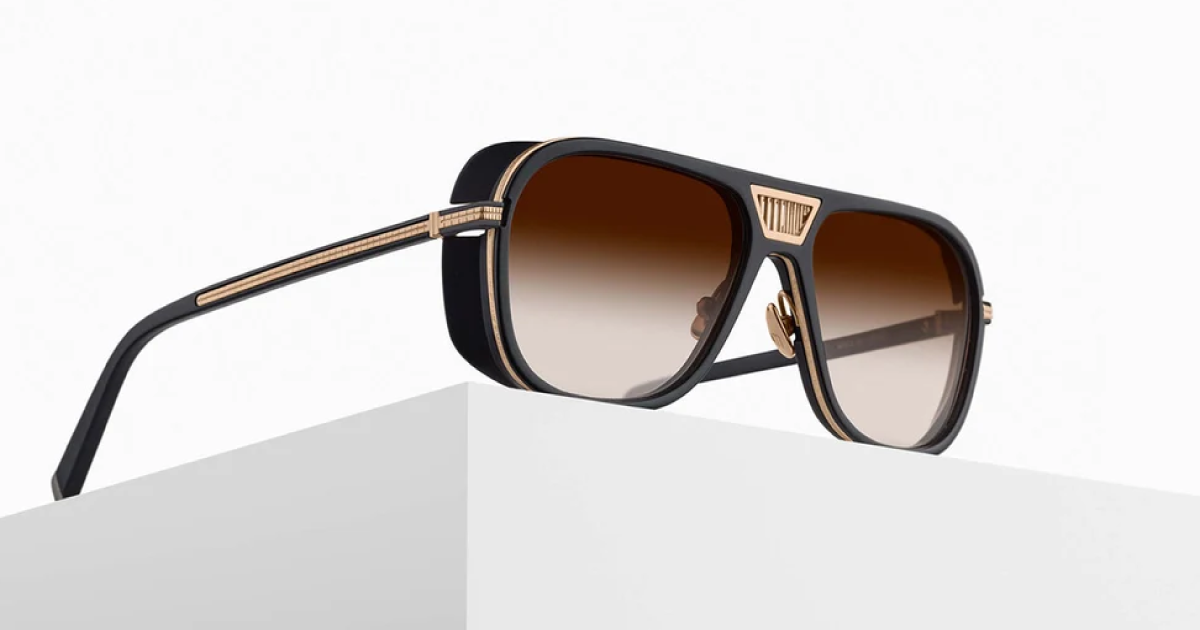
With so many materials and lens options available, choosing luxury prescription sunglasses means thinking about the whole eyewear experience, how they look, how they perform, and how they fit into your daily life.
The Takeaway
If you spend much time outdoors, even in the cooler months, the sun in San Diego, California, can create real challenges for your eyes. At Urban Optiks Optometry our premium prescription sunglasses feature a variety of advanced lens technologies to suit different lifestyles and environments, including both polarized and photochromic options. The difference between a relaxed commute and one full of squinting often comes down to lens type.
The goal is not to pick the "best" lens, but the one that matches how you live. If you are always in motion, photochromic lenses can help you stay comfortable without constant adjustments. If you are around reflective surfaces or spend time in steady sunlight, polarized lenses may keep your eyes more relaxed. Either way, when luxury sunglasses are made to suit your life, they look great and feel easy to wear all year long.
Elevate your everyday experience with
luxury prescription sunglasses that match both your lifestyle and aesthetic. At Urban Optiks Optometry, we offer a selection featuring advanced lens technologies, including photochromic and polarized options, for ultimate comfort and style. Protect your eyes against the vibrant San Diego sun while showcasing your personal flair.
Book an appointment today to discover our premium collection that seamlessly integrates function and fashion into your daily routine.
Share this blog post on social or with a friend:
The information provided in this article is intended for general knowledge and educational purposes only and should not be construed as medical advice. It is strongly recommended to consult with an eye care professional for personalized recommendations and guidance regarding your individual needs and eye health concerns.
All of Urban Optiks Optometry's blog posts and articles contain information carefully curated from openly sourced materials available in the public domain. We strive to ensure the accuracy and relevance of the information provided. For a comprehensive understanding of our practices and to read our full disclosure statement, please click here.