What Makes Boutique Eyewear in San Diego Stand Out
April 17, 2026
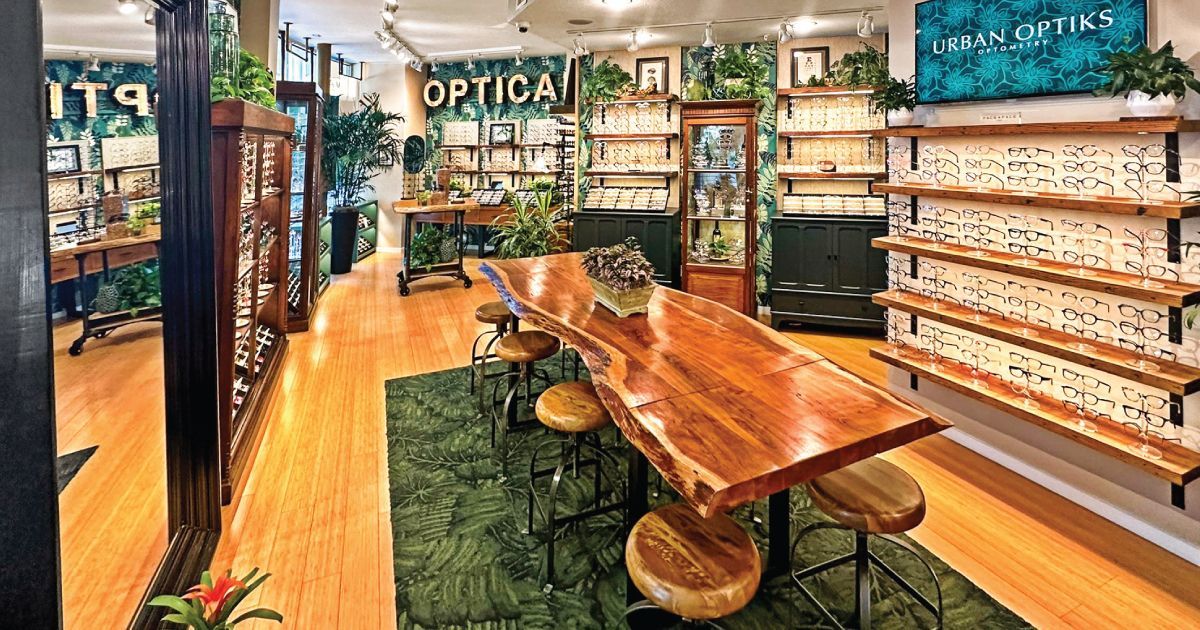
Interior phot of Urban Optiks Optometry with wooden table, green rug, shelves of eyeglass frames, and mirror displays.

Read time: 6 minutes


There's something special about walking into a luxury optical boutique in San Diego, especially in a city where people care about both quality and design. In early spring, as daylight stretches a little longer each evening, it's not just our wardrobes that start to shift. The feel of a space, the things we choose to wear, and even the ways we shop start to change too. This season brings a fresh energy that makes us pause and look closely at the tools we use each day, including our glasses.


While big-name stores may offer quick fixes, a boutique experience focuses more on presence than speed. It's less about rush and more about care. In a city like San Diego, where style feels personal and comfort matters, the difference is easy to spot once you slow down and look around.


A Boutique Experience That Feels Personal


One of the first things people often notice inside a boutique is the pace. Everything moves slower, and that's the point. In a smaller setting, you're not another name on a schedule. You're greeted, asked about your day, and given space to try things without pressure.


  • The space is quieter and more relaxed
  • Staff take the time to listen and explain
  • Decisions feel easier when there's room to breathe


It might seem like a small change, but being able to talk through your needs with someone who's paying full attention can shift the whole process. People tend to walk out not only with glasses that fit well, but with a better sense of why those frames work. It's a more personal kind of care that shows up in small but lasting ways.


Design and Atmosphere That Stand Out


Step into a high-end optical boutique, and you'll quickly notice how different the environment feels. From the lighting to the layout, everything is chosen to make you feel calm and comfortable. Display shelves aren't packed tight, and mirrors are placed so you can step back and take a full look at yourself without feeling rushed.


In early spring, when the sun starts shining brighter here in San Diego, people naturally begin thinking about fresh starts and new looks. That sense of seasonal refresh pairs well with calm, beautiful interiors. It helps set the tone for change without making it feel like a chore.


  • Natural lighting plays a big role in trying on frames
  • Open spaces make it easier to explore without feeling overwhelmed
  • Thoughtful details, like wood textures or soft chairs, help set a different tone


Clean lines, soft colors, and good lighting say something: what you choose for your face matters, and it's worth doing in a place that feels good to be in.


Thoughtfully Chosen Collections


Unlike stores that focus on volume, boutiques keep their selections small on purpose. Each frame is there for a reason. Whether it's handmade in Europe or designed by an independent label, the choices reflect care and attention, not trends or shelf space.


San Diego's style tends to lean easygoing but sharp, and that's reflected in the types of frames you'll find in a boutique like this. Think sun-ready but smart, casual but considered. That balance shows up in the materials, finishes, and designs available during these early spring months when the light begins to shift and sunshine becomes a bigger part of every day.


  • Collections are based on quality, not quantity
  • There are fewer options, but each one has been chosen with intent
  • Local style plays into which pieces feel right for the season


That kind of collection invites you to try something a little different without feeling like you're getting lost in a sea of options.


Not Just an Eye Exam, A Conversation


When people think of visiting an optometrist, they usually picture a quick checkup, maybe some new numbers on a prescription, and that's it. But in a boutique setting, the exam feels less like a task and more like an actual conversation.


There's room to ask questions, understand what the changes in your vision might mean, and talk through how different types of lenses could support your day-to-day life. The spring season often brings more time outdoors, longer drives in evening sun, and more screen time in bright rooms. It's a good moment to take stock and consider how your glasses are helping, or not helping, you move through all that light.


  • The exam process is slower and more detailed
  • There's time to talk through screen use, lighting, and other daily needs
  • More attention is paid to how your eyes feel, not only what the chart says


This kind of care reminds us that vision isn't only numbers, it's about comfort, clarity, and how it all fits into the rhythm of our days.


Why a Luxury Experience Matters More Than Ever


Spring calls for small changes that make everyday life feel lighter. Swapping out heavy sweaters, airing things out, watering the plants again. Glasses are part of all that too. When your eyewear fits well, looks right, and doesn't need constant adjusting, your day flows better.


Choosing a luxury optical boutique in San Diego doesn't only mean nicer frames. It means space to think about what works and what doesn't without being rushed. It gives you the room to focus on how your glasses actually feel during the day, from your first sip of coffee under soft morning light to your late commute in that sharp, low evening sun.


  • Spring is a time to feel refreshed, and our eyewear plays a part
  • Better fit and thoughtful design lead to less squinting and fewer distractions
  • A calm, supportive experience makes the process less stressful and more helpful


That's hard to get from someplace that's all about fast choices and fast turnarounds. Sometimes a slower experience is exactly what we need.


Takeaway


A luxury optical boutique offers more than a place to purchase glasses. It creates an experience centered around personal attention, thoughtful design, and eyewear that fits naturally into your lifestyle. From curated independent collections to in-depth conversations about your vision needs, every detail is designed to help you feel comfortable, confident, and seen.


At Urban Optiks Optometry, every visit blends advanced diagnostic technology with a relaxed, design-forward environment where craftsmanship, comfort, and individualized care come together. Explore our curated selection of handcrafted eyewear and discover how personalized vision care can transform the way you see and experience your everyday life.

Share this blog post on social or with a friend:

The information provided in this article is intended for general knowledge and educational purposes only and should not be construed as medical advice. It is strongly recommended to consult with an eye care professional for personalized recommendations and guidance regarding your individual needs and eye health concerns.


All of Urban Optiks Optometry's blog posts and articles contain information carefully curated from openly sourced materials available in the public domain. We strive to ensure the accuracy and relevance of the information provided. For a comprehensive understanding of our practices and to read our full disclosure statement, please click here.


OUR LATEST POSTS

Two women resting their faces on their hands outdoors at sunset, with floating sphere graphics in the sky
September 18, 2026
Small choices now can shape your eye health for decades. Discover the habits that help reduce avoidable risks and protect your vision long term.
Person wearing round glasses and a mustard sweater smiling outdoors, adjusting their glasses.
September 13, 2026
Find out how the right luxury eyewear pairs bold fall style with everyday comfort for the shifting light and temps of San Diego, California.
Spiral staircase with ornate iron railings and a warm-lit central well, viewed from above
September 8, 2026
Learn how depth perception helps you judge distance, what allows us to see in three dimensions, and the eye conditions that can affect this essential visual skill.
Eye with color chart in a vision-testing lab and a monitor showing color patterns
September 3, 2026
Not all color vision tests are the same. Discover how advanced testing provides a more complete understanding of the way you perceive color.
Close-up blue eye centered between blue and brown molecular patterns on a pale background
August 29, 2026
Read time: 4 minutes Your body is home to trillions of microorganisms that live on the skin and in areas such as the gut, mouth, and eyes. When these microbial communities remain in balance, they help support normal function and comfort. When that balance shifts, a state known as dysbiosis can occur. Dysbiosis does not mean infection. Instead, it describes a change in the normal mix of microbes—such as when helpful organisms decrease, potentially harmful ones increase, or the normal composition and diversity of the microbial community changes. Research continues to explore how dysbiosis may affect different parts of the body, including the eyes. What Is Dysbiosis? Dysbiosis refers to an imbalance in the normal microbial community of a specific area of the body. It has been most widely studied in the gut, but scientists now recognize that dysbiosis can also occur on other body surfaces. Key points to understand: Dysbiosis is not a disease by itself. Many people have changes in their microbiome without developing symptoms, and researchers are still working to understand when these changes become clinically important. It may be associated with inflammation and irritation It can make tissues more vulnerable to symptoms or flare-ups It is influenced by environment, overall health, and daily habits Cleveland Clinic explains dysbiosis as an imbalance in the body’s normal microbial community , which may contribute to inflammation and symptoms. The Evolution of Our Understanding of Microbes For many years, microbes were viewed primarily as harmful invaders. Medical care focused on eliminating bacteria whenever possible, especially on sensitive tissues like the eyes. As research tools improved, scientists discovered that healthy tissues often host small, stable microbial populations. This shifted medical thinking. Instead of assuming that all microbes were harmful, modern research recognizes that balance matters more than complete elimination. Dysbiosis emerged as a concept to describe what can happen when that balance is disrupted. Dysbiosis and the Eye The surface of the eye is exposed to air, water, and touch every day, yet it usually remains healthy. This stability depends on tear film, immune defenses, and a carefully regulated microbial environment. When dysbiosis affects the eye, it may be associated with: Increased inflammation Reduced surface comfort Greater sensitivity or irritation A higher likelihood of surface-related conditions Dysbiosis does not automatically cause eye disease, but it may contribute to symptoms when combined with other factors. The American Academy of Ophthalmology notes that healthy eyes support a small, carefully regulated microbial population on the surface. Common Factors Linked to Dysbiosis Several everyday factors may be associated with microbial imbalance: Overuse of antibiotics Chronic inflammation Environmental stressors such as prolonged dryness Contact lens wear Certain medical conditions Poor eyelid hygiene Not everyone exposed to these factors develops symptoms. Individual immune response plays a significant role. Eyelid inflammation can also influence surface balance, as explained in our blepharitis resource. Dysbiosis and Dry Eye Dry eye disease is complex and influenced by multiple factors. Research suggests that changes in the eye’s surface environment - including microbial balance - may be associated with inflammation seen in dry eye. Dysbiosis may: Disrupt tear film stability Increase inflammatory signaling Contribute to ongoing surface irritation This helps explain why dry eye care often focuses on long-term surface health, rather than temporary lubrication alone. Supporting a Healthy Microbial Balance There is no direct way to “reset” the microbiome, but supportive habits can help maintain stability. Helpful practices include: Proper contact lens hygiene Avoiding unnecessary antibiotic use Managing dry eye early Keeping eyelids clean Attending regular eye exams These habits support overall ocular surface health, which in turn helps maintain the eye's natural microbial environment. The Takeaway Dysbiosis describes a shift in the body’s normal microbial balance, not an infection or a diagnosis on its own. On the eye’s surface, this imbalance may be associated with inflammation, irritation, and conditions like dry eye when combined with other factors such as environment, hygiene, or overall health. While research into dysbiosis continues to evolve, one principle is already clear: eye health depends on balance, not sterility. As science continues to expand understanding of microbial balance, thoughtful, preventive eyecare remains the most reliable way to protect long-term comfort and vision. At Urban Optiks Optometry, that approach emphasizes surface health, early evaluation, and habits that support the eye’s natural systems over time.
Man in a blue shirt pouring water on his face outdoors in bright sunlight
August 24, 2026
Learn how summer heat, sunshine, and dry air can affect contact lens comfort, plus practical tips to help keep your eyes healthy and your vision clear.
Brown-tinted sunglasses with gold accents, resting on a white geometric surface.
August 19, 2026
Discover what sets luxury sunglasses apart, from premium materials and handcrafted design to advanced lenses that deliver lasting comfort, protection, and style.
Smiling person with curly hair in a blue top looking up outdoors near greenery
August 15, 2026
Learn how dust, chemicals, wind, dry air, and water can affect contact lenses, plus practical steps to protect your eyes and prevent irritation.
Person cleaning eyeglasses with a cloth on a table, with a glasses case and lens spray nearby.
August 10, 2026
Check out these simple habits that help premium eyeglasses stay comfortable, clear, and looking their best.
Woman wearing glasses in a beige sweater, standing outdoors with a soft sunlit landscape behind her.
August 5, 2026
Learn how hormonal changes during puberty, pregnancy, menopause, and other life stages can affect vision, dry eye symptoms, and overall eye health.
Two women resting their faces on their hands outdoors at sunset, with floating sphere graphics in the sky
September 18, 2026
Small choices now can shape your eye health for decades. Discover the habits that help reduce avoidable risks and protect your vision long term.
Person wearing round glasses and a mustard sweater smiling outdoors, adjusting their glasses.
September 13, 2026
Find out how the right luxury eyewear pairs bold fall style with everyday comfort for the shifting light and temps of San Diego, California.
Spiral staircase with ornate iron railings and a warm-lit central well, viewed from above
September 8, 2026
Learn how depth perception helps you judge distance, what allows us to see in three dimensions, and the eye conditions that can affect this essential visual skill.
Eye with color chart in a vision-testing lab and a monitor showing color patterns
September 3, 2026
Not all color vision tests are the same. Discover how advanced testing provides a more complete understanding of the way you perceive color.
Close-up blue eye centered between blue and brown molecular patterns on a pale background
August 29, 2026
Read time: 4 minutes Your body is home to trillions of microorganisms that live on the skin and in areas such as the gut, mouth, and eyes. When these microbial communities remain in balance, they help support normal function and comfort. When that balance shifts, a state known as dysbiosis can occur. Dysbiosis does not mean infection. Instead, it describes a change in the normal mix of microbes—such as when helpful organisms decrease, potentially harmful ones increase, or the normal composition and diversity of the microbial community changes. Research continues to explore how dysbiosis may affect different parts of the body, including the eyes. What Is Dysbiosis? Dysbiosis refers to an imbalance in the normal microbial community of a specific area of the body. It has been most widely studied in the gut, but scientists now recognize that dysbiosis can also occur on other body surfaces. Key points to understand: Dysbiosis is not a disease by itself. Many people have changes in their microbiome without developing symptoms, and researchers are still working to understand when these changes become clinically important. It may be associated with inflammation and irritation It can make tissues more vulnerable to symptoms or flare-ups It is influenced by environment, overall health, and daily habits Cleveland Clinic explains dysbiosis as an imbalance in the body’s normal microbial community , which may contribute to inflammation and symptoms. The Evolution of Our Understanding of Microbes For many years, microbes were viewed primarily as harmful invaders. Medical care focused on eliminating bacteria whenever possible, especially on sensitive tissues like the eyes. As research tools improved, scientists discovered that healthy tissues often host small, stable microbial populations. This shifted medical thinking. Instead of assuming that all microbes were harmful, modern research recognizes that balance matters more than complete elimination. Dysbiosis emerged as a concept to describe what can happen when that balance is disrupted. Dysbiosis and the Eye The surface of the eye is exposed to air, water, and touch every day, yet it usually remains healthy. This stability depends on tear film, immune defenses, and a carefully regulated microbial environment. When dysbiosis affects the eye, it may be associated with: Increased inflammation Reduced surface comfort Greater sensitivity or irritation A higher likelihood of surface-related conditions Dysbiosis does not automatically cause eye disease, but it may contribute to symptoms when combined with other factors. The American Academy of Ophthalmology notes that healthy eyes support a small, carefully regulated microbial population on the surface. Common Factors Linked to Dysbiosis Several everyday factors may be associated with microbial imbalance: Overuse of antibiotics Chronic inflammation Environmental stressors such as prolonged dryness Contact lens wear Certain medical conditions Poor eyelid hygiene Not everyone exposed to these factors develops symptoms. Individual immune response plays a significant role. Eyelid inflammation can also influence surface balance, as explained in our blepharitis resource. Dysbiosis and Dry Eye Dry eye disease is complex and influenced by multiple factors. Research suggests that changes in the eye’s surface environment - including microbial balance - may be associated with inflammation seen in dry eye. Dysbiosis may: Disrupt tear film stability Increase inflammatory signaling Contribute to ongoing surface irritation This helps explain why dry eye care often focuses on long-term surface health, rather than temporary lubrication alone. Supporting a Healthy Microbial Balance There is no direct way to “reset” the microbiome, but supportive habits can help maintain stability. Helpful practices include: Proper contact lens hygiene Avoiding unnecessary antibiotic use Managing dry eye early Keeping eyelids clean Attending regular eye exams These habits support overall ocular surface health, which in turn helps maintain the eye's natural microbial environment. The Takeaway Dysbiosis describes a shift in the body’s normal microbial balance, not an infection or a diagnosis on its own. On the eye’s surface, this imbalance may be associated with inflammation, irritation, and conditions like dry eye when combined with other factors such as environment, hygiene, or overall health. While research into dysbiosis continues to evolve, one principle is already clear: eye health depends on balance, not sterility. As science continues to expand understanding of microbial balance, thoughtful, preventive eyecare remains the most reliable way to protect long-term comfort and vision. At Urban Optiks Optometry, that approach emphasizes surface health, early evaluation, and habits that support the eye’s natural systems over time.