Future-Proof Your Eyesight: Habits to Start Young

Read time: 9 minutes
When you're in your teens, 20s, or 30s, long-term eye health may not feel like a priority. Vision is often clear, focusing feels effortless, and many eye problems seem like concerns for much later in life.
But some eye conditions can develop gradually and cause few or no noticeable symptoms in their early stages. At the same time, the effects of factors such as sun exposure, smoking, contact lens habits, eye injuries, and overall health begin accumulating much earlier.
You can't guarantee perfect vision for life. You can, however, reduce avoidable risks, protect your eyes from injury, and make it easier to identify problems if they develop.
Thanks to advances in eye care, doctors can also see far more of what's happening inside and around the eye than previous generations ever could.
A Brief History of Eye Care - And Why It Matters Today
For much of history, doctors had limited ways to examine the inside of the eye or treat conditions that threatened vision. That changed dramatically over time.
A few milestones include:
- Late 1200s: Early eyeglasses appeared in Europe, giving people a way to improve near vision.
- 1851: Hermann von Helmholtz introduced the ophthalmoscope, allowing doctors to examine structures inside the living eye.
- 20th Century: Treatments for conditions such as cataracts and glaucoma advanced significantly.
- Late 20th Century: Contact lenses became more sophisticated, while laser vision procedures expanded.
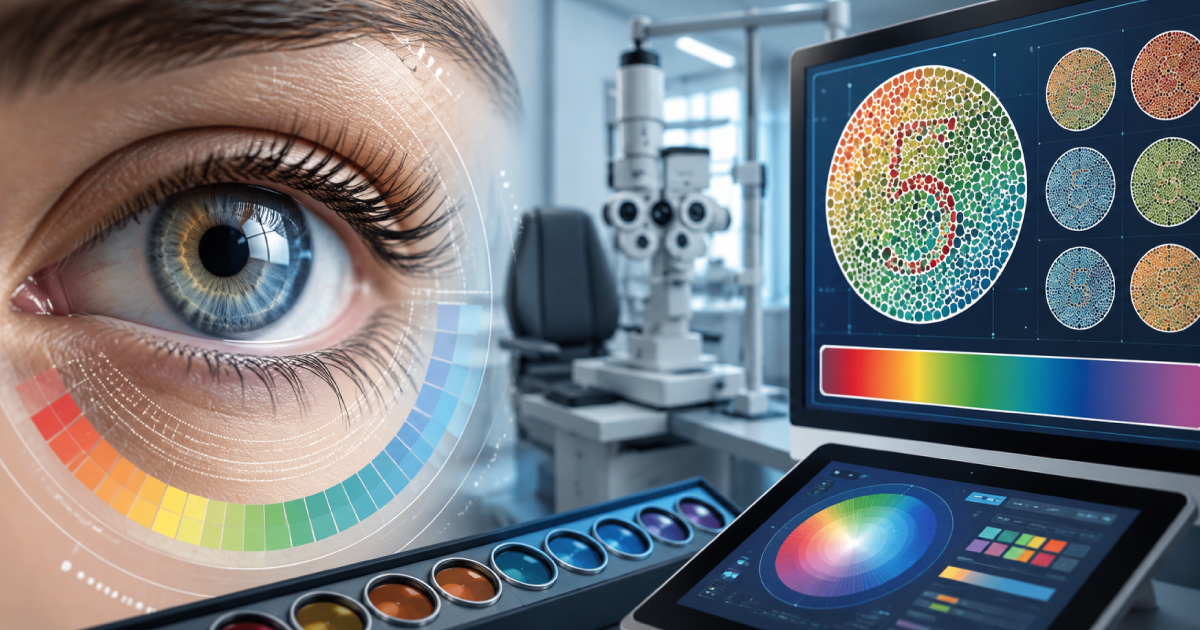
- Today: Technologies such as optical coherence tomography (OCT), retinal photography, corneal topography, and other imaging tools can reveal structural changes and abnormalities that may not yet be causing noticeable symptoms.
Why does that matter if you're young? Because eye care isn't only about correcting blurry vision.
Modern examinations can evaluate the health of the retina, optic nerve, cornea, tear film, and other structures while also measuring how well you see. Establishing a baseline for your eye health can therefore be valuable long before reading glasses enter the picture.
1. Build Better Screen Habits
Phones, computers, gaming systems, tablets, and other digital devices are part of daily life. Long periods of screen use can contribute to digital eye strain, which may include:
- Tired or uncomfortable eyes
- Dryness
- Blurry vision
- Headaches
- Difficulty refocusing
- Neck and shoulder discomfort
Screens themselves have not been shown to permanently damage healthy eyes through ordinary use. The bigger concerns are prolonged close focusing, reduced blinking, glare, poor ergonomics, and taking too few breaks.
Near work has also been associated with the development and progression of myopia, particularly in children and adolescents. The evidence is less clear that screen use itself drives significant myopia progression throughout adulthood.
Make Long Screen Sessions Easier on Your Eyes
- Follow the 20-20-20 rule: about every 20 minutes, look roughly 20 feet away for 20 seconds.
- Position your computer screen at a comfortable viewing distance.
- Blink fully and regularly.
- Adjust screen brightness and room lighting to reduce glare.
- Increase text size instead of leaning toward the screen.
- Take longer breaks during extended work sessions.
- Ask your eye doctor about lubricating eye drops if dryness is a recurring problem.
These habits won't “strengthen” your eyes or prevent every future problem, but they can make extended digital work much more comfortable.
2. Start Protecting Your Eyes From UV Exposure
Ultraviolet exposure accumulates over a lifetime.
Long-term UV exposure is associated with eye and skin conditions including cataracts, pterygium, and cancers involving the eyelids and surrounding tissues.
That makes sunglasses more than a fashion accessory.
Smart UV Habits
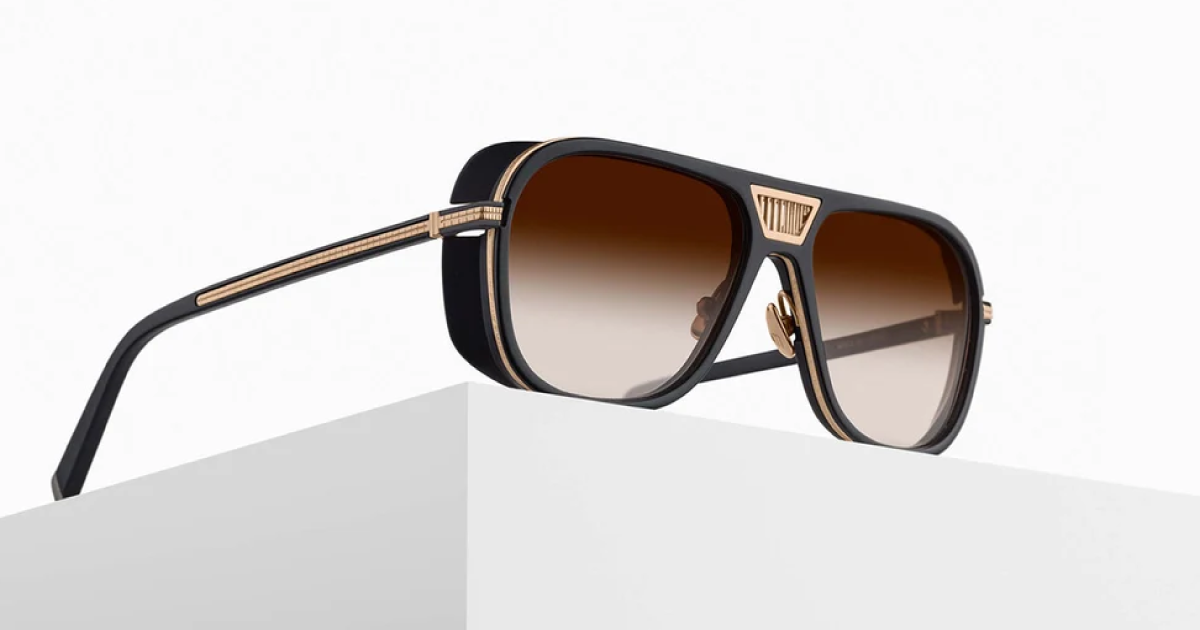
- Choose sunglasses that block 99% to 100% of UVA and UVB radiation.
- Wear them even when you're young.
- Add a wide-brimmed hat when spending extended time outdoors.
- Remember that UV exposure can still occur on cloudy days.
- Be especially mindful around water, snow, and other reflective surfaces.
Dark lenses alone aren't enough. UV protection comes from the lens material or treatment, not simply from how dark a sunglass lens looks.
Because UV exposure adds up over a lifetime, protecting your eyes now is a habit worth keeping.
3. Take Contact Lens Safety Seriously
Contact lenses are medical devices, and healthy-looking eyes can still develop serious complications when lenses aren't worn or cared for properly.
Behaviors such as sleeping in lenses, exposing contacts to water, extending replacement schedules, and poor hand hygiene can increase the risk of corneal infection. CDC guidance recommends removing lenses before sleeping, showering, or swimming and following the replacement schedule recommended by your eye-care provider.
Healthy Contact Lens Habits
- Wash and thoroughly dry your hands before touching your lenses.
- Don't shower or swim in contact lenses.
- Don't sleep in contacts unless your eye doctor has specifically prescribed lenses for overnight wear.
- * Understand that even approved overnight wear carries a greater infection risk than removing lenses before sleeping.
- Replace lenses according to their prescribed schedule.
- Never rinse or store contact lenses in tap water.
- Use fresh contact lens solution rather than “topping off” old solution.
- Keep a backup pair of glasses available.
Sleeping in contact lenses is one of the more significant modifiable risk factors for contact lens-related infection. CDC research has found that sleeping in lenses can increase infection risk approximately six-to-eightfold.
A serious corneal infection can lead to scarring and permanent changes in vision, so contact lens hygiene is one area where small habits can make a significant difference.
The CDC offers practical guidance for preventing eye infections while wearing contact lenses.
#4. Protect Your Overall Health
The eyes are connected to the rest of the body through blood vessels, nerves, connective tissue, and the immune system.
That means conditions affecting your overall health can also affect your eyes.
Examples include:
- Diabetes: Can damage retinal blood vessels and lead to diabetic retinopathy.
- High blood pressure: Can cause changes and damage within retinal blood vessels.
- High cholesterol and other vascular risk factors: May contribute to retinal blood-vessel problems.
- Certain autoimmune and inflammatory diseases: Can be associated with inflammation involving different parts of the eye.
Managing blood pressure, blood sugar, and cholesterol, taking medications appropriately, staying active, and caring for your overall health aren't separate from protecting your eyesight. They're part of it.
5. Don't Smoke
Here's one long-term eye-health risk that can be easy to overlook when you're young: smoking.
Smoking increases the risk of cataracts and age-related macular degeneration and can harm structures throughout the eye. The National Eye Institute includes quitting smoking among its recommendations for protecting long-term vision.
The effects may not be visible in your 20s or 30s, but avoiding tobacco is one of the most meaningful health decisions you can make for your future eyes as well as the rest of your body.
The National Eye Institute outlines everyday habits that can help protect your vision, including quitting smoking, staying active, and wearing protective eyewear.
6. Protect Your Eyes From Injury
An eye injury can change vision in seconds. Many injuries happen during ordinary activities rather than unusual accidents, including:
- Home improvement projects
- Power-tool use
- Yard work
- Sports
- Automotive work
- Chemical handling
- Jobs involving flying particles, debris, or dust
Regular eyeglasses aren't a substitute for safety glasses.
Use task-appropriate, ANSI-rated protective eyewear when working with tools, chemicals, or occupational hazards. For sports, choose protective eyewear designed for the activity and meeting the appropriate sport-specific safety standard when one exists.
Proper safety eyewear is designed to withstand impacts and hazards that ordinary eyewear may not.
7. Know Your Family History
Your parents' and grandparents' eye health can provide useful clues about your own risk.
Family history can play a role in conditions including:
- Glaucoma
- Keratoconus
- Retinal disorders
- High myopia
- Certain inherited eye diseases
- Age-related macular degeneration later in life
You don't need a detailed family medical chart. Knowing that a parent, sibling, or grandparent had glaucoma, significant vision loss, retinal disease, or another serious eye condition is information worth sharing with your eye doctor.
Family history doesn't mean you'll develop the same condition. It may mean your doctor recommends different testing or follow-up.
8. Don't Wait for Symptoms to Think About Eye Exams
One of the most persistent misconceptions about eye care is that you only need an examination when you can't see clearly. Vision is only one part of an eye exam.
Some conditions, including glaucoma and diabetic retinopathy, may cause few or no symptoms early in their course. That doesn't mean every healthy young adult needs the same examination schedule.
How often you should have an eye exam depends on factors including:
- Your age
- Contact lens wear
- Prescription changes
- Family history
- Diabetes or other medical conditions
- Medications
- Previous eye findings
- Eye injuries or surgery
- New symptoms
- Your individual risk for eye disease
Current American Academy of Ophthalmology guidance for healthy adults without risk factors uses longer intervals for comprehensive medical eye examinations in adults under 40, while people with symptoms or increased risk may need substantially more frequent care.
The right schedule should therefore be based on the individual rather than a universal “every year” or “every two years” rule.
Contact lens wearers also require ongoing professional care to make sure their lenses continue to fit properly and their eyes remain healthy.
The American Academy of Ophthalmology explains how comprehensive eye-exam recommendations change with age and individual risk factors.
Don't Ignore Changes Because You're Young
Being young lowers the likelihood of many age-related eye diseases, but it doesn't make you immune to eye problems.
Contact an eye-care professional if you notice symptoms such as:
- Sudden or persistent blurry vision
- New double vision
- Eye pain
- Significant light sensitivity
- A sudden increase in flashes or floaters
- A curtain, shadow, or missing area in your vision
- Persistent redness
- Sudden vision loss
- A noticeable change in one eye compared with the other
Sudden vision changes can sometimes require urgent evaluation.
The Takeaway
Protecting your eyesight for the future isn't about following a complicated list of rules or assuming something is wrong with your eyes.
It's about reducing the risks you can control.
Wear UV-protective sunglasses. Use contact lenses safely. Protect your eyes during sports and projects. Don't smoke. Take care of your overall health. Know your family history. Give your eyes breaks during long hours of digital work. And have them examined on a schedule that's appropriate for your individual needs.
At Urban Optiks Optometry, we combine comprehensive eye care with advanced diagnostic technology to look for changes that may not yet be causing noticeable symptoms. No one can guarantee lifelong clear vision, but the habits you build now can reduce avoidable risks and support healthier vision and eye health for decades to come.
Share this blog post on social or with a friend:
The information provided in this article is intended for general knowledge and educational purposes only and should not be construed as medical advice. It is strongly recommended to consult with an eye care professional for personalized recommendations and guidance regarding your individual needs and eye health concerns.
All of Urban Optiks Optometry's blog posts and articles contain information carefully curated from openly sourced materials available in the public domain. We strive to ensure the accuracy and relevance of the information provided. For a comprehensive understanding of our practices and to read our full disclosure statement, please click here.