Why Smart Glasses Still Can't Beat Great Frame Design

Read time: 6 minutes
Smart glasses sounded exciting when they first showed up. They promised to blend tech with your everyday eyewear, adding cool features like voice commands and touch controls. But as more people tried them out, the problems became pretty clear. These glasses often miss the basics, like how they fit, how they feel, and how well they help you see. What works in a product lab doesn't always translate well to a real person's face.
Unlike devices built by tech brands, digital lenses glasses made by eyewear artisans are created with people in mind from the start. These glasses aren't just about the newest feature. They're about daily comfort, clear vision, and natural style. Let's look at why smart glasses haven't caught on and why good craftsmanship still makes the biggest difference.
Why Tech Giants Miss the Mark
Tech companies are great at building devices, but glasses aren't just another gadget. They're something you wear on your face all day. That changes things.
- Most smart glasses are designed with technology first and comfort second. They try to squeeze in speakers, cameras, batteries, and screens, which adds extra weight and bulk.
- When glasses start to feel like tiny computers, they lose the simple, comfortable feel that people expect. Many of these designs feel stiff, top-heavy, or just kind of awkward.
- The shapes are often limited by where the wires and batteries need to go. That affects how they sit on your face and how they look to others. So even if the features sound fun, the overall experience isn't that fun to wear.
Style often takes a backseat to function in these glasses, and that's where many people decide to pass. When glasses stop feeling like an extension of you, it's hard to wear them every day.
The Challenge of Fit, Vision, and Style
One big reason smart glasses don't work for most people is their poor fit. Face shapes vary a lot, and good glasses take that seriously. But many tech-focused models just offer one or two sizes, or fixed features that can't be adjusted.
- The added bulk from built-in tech makes it harder to shape the frame to match different heads and bridges.
- Some designs leave less room for prescription lenses or can't support the correct lens curve, which messes with vision clarity.
- With fewer style options and limited colors or shapes, many people feel like they're sacrificing their look just to get the tech.
So instead of helping you feel more confident, smart glasses often make you more aware of their flaws. And when they start sliding, pinching, or giving you headaches, you stop seeing the benefit.
What Eyewear Artisans Know That Tech Brands Forget
Eyewear artisans take a much more personal approach. Their focus isn't on shiny features or software updates. It's on details that affect your comfort and how clearly you see each day.
- Frame shape, temple curve, and lens placement all get careful attention. These details help digital lenses glasses work properly and keep your vision stable all day.
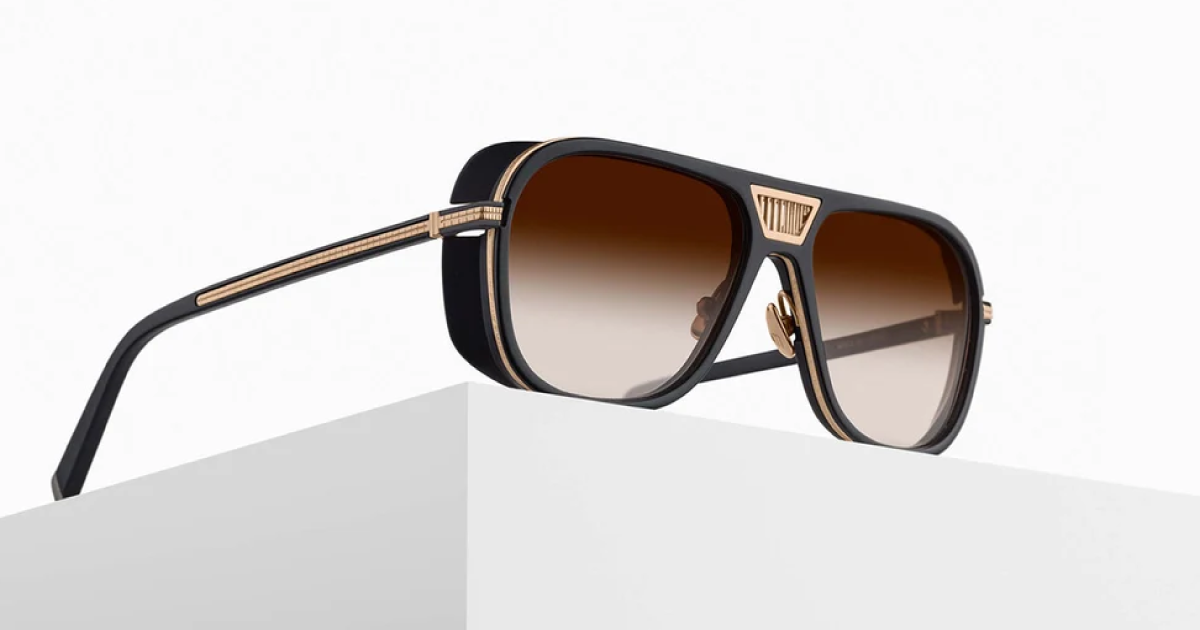
- The materials are chosen for how they feel against the skin, how they hold up over time, and how they balance across the bridge of your nose.
- The goal is to make glasses you don't think about while you're wearing them. That only happens when every part is made with everyday life in mind.
This isn't about avoiding new tech. It's about building tools that support your real needs, like crisp vision during screen time or comfort on your commute, not just features that sound exciting but end up being more trouble than help.
Wearing Glasses in Real Life vs. in a Lab
What works under bright lights and short demos doesn't always hold up during an afternoon walking the beach or running errands around San Diego. Smart glasses often don't do so well when life gets messy or unpredictable.
- The heat from the sun, wind near the water, and constant movement all affect how glasses sit on your face. If the frame tilts or slides when you sweat or smile, the smart features don't really matter.
- Many smart glasses have short battery lives, can't take much impact, or don't adjust to different light conditions. That's a tough fit for people who move from indoor to outdoor often.
- When glasses feel like tools designed for short tasks instead of long wear, they don't stay part of your regular routine.
Eyewear should be something you forget you're wearing because it works that well. Tech-driven glasses rarely offer that kind of quiet consistency.
Tech Without the Trade-Offs
Innovations can still be part of good eyewear. We believe digital lenses glasses can improve lives when they're used with purpose, like helping screen users reduce eye strain or bringing sharper focus to specific hobbies.
- Comfort should still come first. If the glasses don't feel right on your head, you won't use any of their features.
- Vision should stay clear and focused. Digital lenses won't help much if they're shoved into an oddly-shaped frame.
- Smart doesn't always mean adding parts. It means thinking through how a product fits into a person's everyday flow.
There's plenty of room for new ideas in eyewear. The difference is that they need to support, not replace, the real things people count on every time they put on their glasses.
Why Fit, Feel, and Vision Still Win
At the end of the day, people don't give up on smart glasses because they don't like new ideas. They stop wearing them because they don't feel good, don't work right, or don't match their style. For something that sits right on your face, that's just too big to ignore.
Good glasses involve thoughtful design, not just new features. And that's why traditional eyewear built by skilled frame makers still does something smart glasses can't. It fits real life.
The Takeaway
Smart glasses didn’t fail because people dislike innovation. They failed because eyewear lives on the face, not in a lab. Weight, balance, fit, lens accuracy, and long-term comfort matter more than voice commands or built-in tech. When those fundamentals are compromised, even the most advanced features lose their appeal.
Eyewear artisans understand something tech companies often overlook: great glasses should disappear once you put them on. They should support clear vision, feel effortless through long days, and reflect personal style without distraction. Thoughtful frame design paired with well-engineered digital lenses delivers practical benefits - reduced eye strain, stable focus, and all-day wearability - without forcing trade-offs.
At Urban Optiks Optometry, innovation is applied where it matters most. Our digital lenses and premium frames are selected and crafted to prioritize fit, clarity, and comfort for real life in San Diego, from extended screen time to outdoor movement. Explore our curated selection of in-stock frames, then schedule an appointment with one of our highly-skilled opticians to experience eyewear designed to support how you actually live, see, and move every day.
Share this blog post on social or with a friend:
The information provided in this article is intended for general knowledge and educational purposes only and should not be construed as medical advice. It is strongly recommended to consult with an eye care professional for personalized recommendations and guidance regarding your individual needs and eye health concerns.
All of Urban Optiks Optometry's blog posts and articles contain information carefully curated from openly sourced materials available in the public domain. We strive to ensure the accuracy and relevance of the information provided. For a comprehensive understanding of our practices and to read our full disclosure statement, please click here.