Picking the Right Frames Based on Lens Thickness
Read time: 7 minutes
When picking out new glasses, most people focus on what the frame looks like. But there’s more to it than just color and shape. Lens thickness matters too, and it can change the way your glasses feel, fit, and function all day long. Whether you're working with a strong prescription or just want something lightweight and clear, lens thickness plays a big role in your final decision.
Things like face shape, bridge height, and overall frame size all come into play. A digital glasses lens can make everything feel lighter and more balanced, but the frame still needs to support it well. In this article, we’ll share how lens thickness affects frame design and why getting that pairing right really does make a difference in everyday life, especially if you're wearing them in a bright place like San Diego.
How Prescription Strength Impacts Lens Thickness
The stronger the prescription, the thicker the lens tends to be. That thickness usually shows up most around the edges of the lens, especially with single-vision and high-index lenses. If you're nearsighted, chances are your lenses will be thick on the outer edges. If you're farsighted, the thickness is often near the middle of the lens.
Some newer lens materials can bring that thickness down without changing your prescription. High-index lenses are thinner and lighter, even for stronger vision needs. That makes it easier to pick a frame without having to worry so much about how the lens will look or feel inside it.
- Strong prescriptions often lead to thicker lens edges
- Thinner lens materials like high-index plastic make glasses lighter
- Proper pairing of prescription and lens material helps with daily comfort
Choosing thinner lenses doesn't just help with weight. It also keeps the lenses from bulging out of the frame too much or looking off-centered. So the right lens for your prescription helps create a better balance between function and style.
Frame Shapes That Work Better With Thicker Lenses
Not every frame can handle a thick lens without making it look or feel clunky. If your lenses are on the thicker side, smaller frames with round or oval shapes tend to work better. They help keep the outer edge thickness in check, since there's less distance from the center of the lens to the edge.
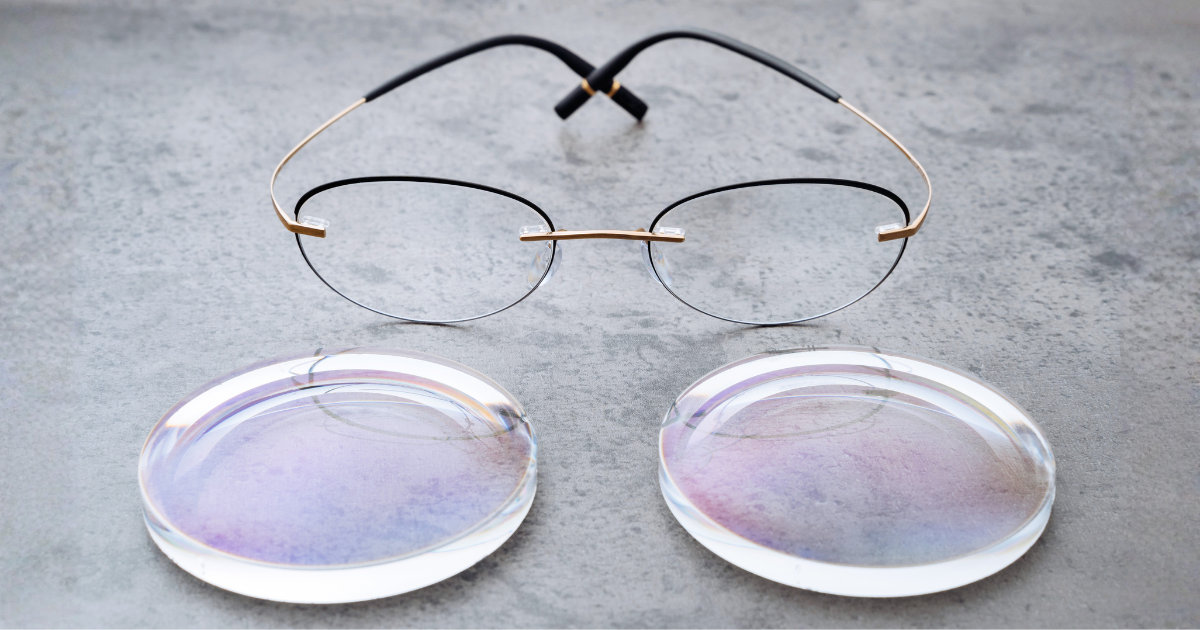
Rimless or semi-rimless styles usually don’t hide thick lenses well. When lenses are fully exposed, they can look bulky and heavy, especially if they extend outside the frame line. These styles work better when lens thickness is low and doesn't interfere with support.
Full-rim frames with deeper bridges can make things feel more stable overall. They give thicker lenses a better anchor point and help with both structure and alignment.
- Round or smaller frames reduce how much lens shows at the edges
- Rimless frames are best for lightweight, thin-lens use
- Full-rim frames offer better support and balance for thicker lenses
Finding the right match keeps glasses from sliding down, tilting, or pinching over time. All of that ties back to how well the lens fits the frame.
Balancing Style and Support With Modern Materials
New frame materials have made wearing glasses easier, especially for people with thicker lenses. Lightweight plastics and flexible metals help take the pressure off your nose and ears. That means you can still wear glasses all day without the frame feeling heavy or loose.
High-index plastics and polycarbonate are good lens materials for stronger prescriptions. They’re thinner but still strong enough to hold shape and resist scratches. Pair those with flexible titanium or acetate frames, and you've got a setup that works well without feeling high-maintenance.
Many digital glasses lens styles are designed to be slimmer and lighter right from the start. That means you can still go for sleek, structured frames without worrying about the lens bulging out or pulling the frame down.
- High-index lenses reduce thickness and give frames more shape variety
- Polycarbonate is both strong and impact-resistant
- Newer frame materials support style without adding extra weight
At Urban Optiks Optometry, we offer frames made from top-quality acetates and titanium to support a wide range of lens thicknesses and vision needs. All of the frame collections in our boutique are handcrafted and designed to balance comfort with style, no matter your prescription strength. Modern materials let us focus more on comfort and less on compromise. You no longer have to trade off a strong prescription for a narrow range of fashion choices.
Why Lens Options Should Guide Your Frame Choice
It’s easy to pick out a frame based on looks alone, but different lens types work better with certain frames. Transition lenses that darken in sunlight need good coverage to react properly. Blue light and UV-blocking lenses work best when the lens isn’t cut down too small or thin.
Edge treatments can make lenses look sleeker by smoothing out how the lens meets the frame. These small choices have a big effect, especially when they help a frame feel lighter or better balanced during full-day use.
Your lifestyle matters here too. If you’re someone who works in front of a computer, drives a lot, or spends time outdoors around San Diego, your lenses might need features like glare reduction, tint, or light protection. Those lenses may require a thicker layer or special coating, which means the frame has to match.
- Transition and UV lenses need more lens space to work well
- Frame style can affect how edge treatments and coatings perform
- Daily habits like screen use influence which lens-frame pairing fits best
When lenses and frames work as a unit, you don’t have to worry about performance getting in the way of wearability.
Clear Choices for a Better Fit
Lens thickness may not be the first thing you notice when trying on glasses, but it quickly becomes part of how those glasses feel. Too thick, and it might change how the frame sits on your face. Too thin, and it may not give you the clarity or protection you need.
Getting a frame that matches your lens thickness means your glasses stay where they're supposed to and deliver the comfort and vision you count on every day. It’s not only about how they look in the mirror, it’s about how they carry you through real life.
• Balance plays a big role in frame comfort
• Weight and thickness affect both vision and fit
• Choosing with lens thickness in mind gives better long-term results
When we help match lenses to frames, we’re aiming for that balance, something that feels just right without needing to be adjusted again and again. It’s one detail that often makes the biggest difference.
The Takeaway
Choosing the right frames and lenses is about more than just style, it’s about comfort and clear vision, especially in sunny San Diego. At Urban Optiks Optometry, we guide you through every selection, from strong prescriptions to thinner coatings, ensuring a balanced and reliable fit. See how a digital glasses lens can make a real difference in how your eyewear performs. Get in touch today to find the best lens and frame match for your needs.
Share this blog post on social or with a friend:
The information provided in this article is intended for general knowledge and educational purposes only and should not be construed as medical advice. It is strongly recommended to consult with an eye care professional for personalized recommendations and guidance regarding your individual needs and eye health concerns.
All of Urban Optiks Optometry's blog posts and articles contain information carefully curated from openly sourced materials available in the public domain. We strive to ensure the accuracy and relevance of the information provided. For a comprehensive understanding of our practices and to read our full disclosure statement, please click here.