Blue Light: Understanding Its Effects and How to Protect Your Eyes
Read time: 4 minutes
In today's digital age, our reliance on electronic devices has increased exponentially. As a result, we are continually exposed to blue light emitted from smartphones, tablets, computer screens, and other digital gadgets. Although blue light is a natural component of sunlight, excessive exposure from artificial sources has raised concerns about potential harm to our eyes and overall health. At Urban Optiks Optometry, we understand the importance of safeguarding your eyes against the adverse effects of modern-day living, and we are committed to providing the latest eye care solutions tailored to your needs.
In this blog post, we will examine the effects of blue light on our eyes, delving into the science behind its impact on vision and health. Furthermore, we will explore various effective strategies for minimizing blue light exposure, ranging from lifestyle habits to protective eyewear. By educating ourselves on blue light and its potential risks, we can make informed decisions and adopt smarter practices that prioritize our eye health amid our ever-increasing screen time.
Arming yourself with knowledge is the first step towards safeguarding your vision. So, join us on this enlightening journey as we dissect the world of blue light and uncover practical solutions to ensure optimal eye health for years to come. With the expert guidance of Urban Optiks Optometry's skilled professionals, you can navigate the digital landscape confidently, protecting your eyes from the hazards of blue light.
The Science Behind Blue Light: Characteristics and Sources
Blue light, or high-energy visible (HEV) light, occupies the spectrum of visible light between 380 and 500 nanometers, with the highest energy levels falling between 400 and 450 nanometers. It has both benefits and drawbacks, depending on the exposure duration, intensity, and time of day.
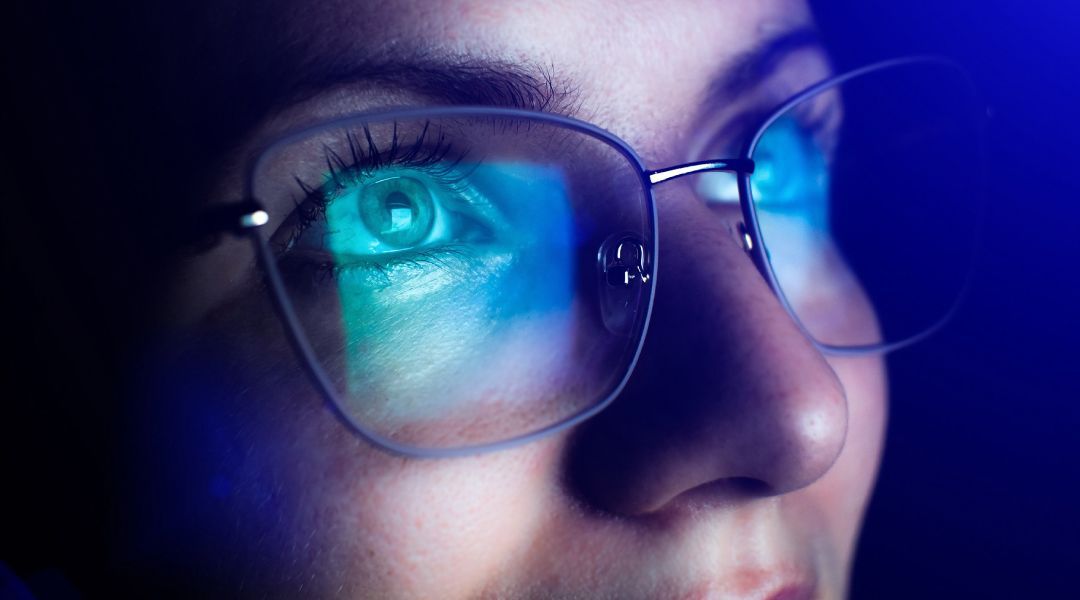
Natural blue light from the sun is beneficial during daylight hours, as it helps regulate our circadian rhythm, elevate mood, and improve cognitive function. However, excessive exposure to artificial sources of blue light, such as LED lighting and electronic device screens, can disrupt sleep patterns and cause digital eye strain.
The primary concern regarding blue light exposure stems from our increased screen time, particularly during nighttime hours, when blue light can interfere with melatonin production, leading to sleep disturbances and potential long-term health consequences.
How Blue Light Affects Our Eyes and Overall Health
Research has linked prolonged exposure to blue light to an array of potential health issues, primarily related to our eyes and circadian rhythm. Key impacts include:
- Digital Eye Strain: Spending extended periods staring at digital screens may cause symptoms of eye strain, such as dryness, discomfort, and blurred vision.
- Disruption of Sleep Patterns: Blue light exposure before bedtime can suppress melatonin production, resulting in difficulty falling asleep or maintaining a consistent sleep schedule.
- Potential Retinal Damage: Emerging evidence suggests that long-term exposure to high-energy blue light may contribute to the risk of age-related macular degeneration, a leading cause of vision loss in older adults. However, more research is needed to establish a definitive link.
It's worth noting that the potential harmful effects of blue light exposure largely depend on factors such as screen time duration, proximity to the light source, and individual sensitivity.
Strategies for Reducing Blue Light Exposure
To maintain optimal eye health and minimize the risks associated with blue light, consider adopting the following best practices:
- Adjust Device Settings: Many smartphones, tablets, and computers have built-in features that allow you to adjust the color temperature of the display, reducing blue light emission.
- Establish Screen Time Boundaries: Set limits on screen time, particularly during the evening hours. Ideally, avoid exposure to digital screens for at least an hour before bedtime to promote healthier sleep patterns.
- Follow the 20-20-20 Rule: To minimize digital eye strain, take a break every 20 minutes to look at something 20 feet away for 20 seconds. This simple rule can help relax your eye muscles and reduce the symptoms of eye strain.
- Maintain Proper Lighting: Ensure your workspace or screen-viewing area is well-lit to reduce eye strain and discomfort.
Protective Eyewear Solutions: Blue Light Blocking Glasses and Lenses
Blue light-blocking glasses and lenses are designed to filter out a portion of blue light emitted from digital screens. These specialized glasses can help minimize eye strain and discomfort, as well as protect your eyes against potential retinal damage. They come in various designs, with some options featuring an amber or yellow tint, while others maintain clear lenses with a blue light-filtering coating.
It's essential to consult with an optometry expert when considering blue light-blocking glasses, as individual needs and preferences may vary. Factors such as screen time duration, lifestyle habits, and occupation play a crucial role in determining the appropriate type of blue light protection.
The Takeaway
Innovative technology and constant connectivity have become an integral part of our daily lives, presenting both benefits and challenges for our eye health. By understanding the science behind blue light and its potential impacts, alongside adopting effective strategies for mitigating risks, we can better protect our eyes and maintain optimal vision.
At Urban Optiks Optometry in San Diego, our dedicated team of professionals is committed to helping you navigate the digital landscape while prioritizing your eye health. Schedule an appointment today for personalized guidance on blue light protection and ensure your vision is well cared for.
Share this blog post on social or with a friend:
The information provided in this article is intended for general knowledge and educational purposes only and should not be construed as medical advice. It is strongly recommended to consult with an eye care professional for personalized recommendations and guidance regarding your individual needs and eye health concerns.
All of Urban Optiks Optometry's blog posts and articles contain information carefully curated from openly sourced materials available in the public domain. We strive to ensure the accuracy and relevance of the information provided. For a comprehensive understanding of our practices and to read our full disclosure statement, please click here.