Eyewear: The Hidden Status Symbol

Read time: 6 minutes
Since their inception in the 13th century, eyeglasses have undergone a remarkable transformation, transcending their original purpose as vision-correcting tools to become influential symbols of status and success. In today's image-conscious society, the frames perched upon one's nose can speak volumes about an individual's social standing, professional achievements, and personal style.
The Evolution of Eyewear as a Status Symbol
In the early days, wearing eyeglasses was often associated with aging, academia, or perceived intellectual superiority. However, this perception gradually shifted as eyewear became more widely available and affordable. By the 20th century, glasses had evolved into a fashion statement, allowing individuals to express their unique personalities and tastes.
The turning point for eyewear's ascension as a status symbol can be traced back to the 1960s when iconic figures like John Lennon, Audrey Hepburn, and Michael Caine made bold choices with their eyewear. Their influence transformed glasses from a necessity into a desirable accessory, paving the way for the eyewear industry's meteoric rise.
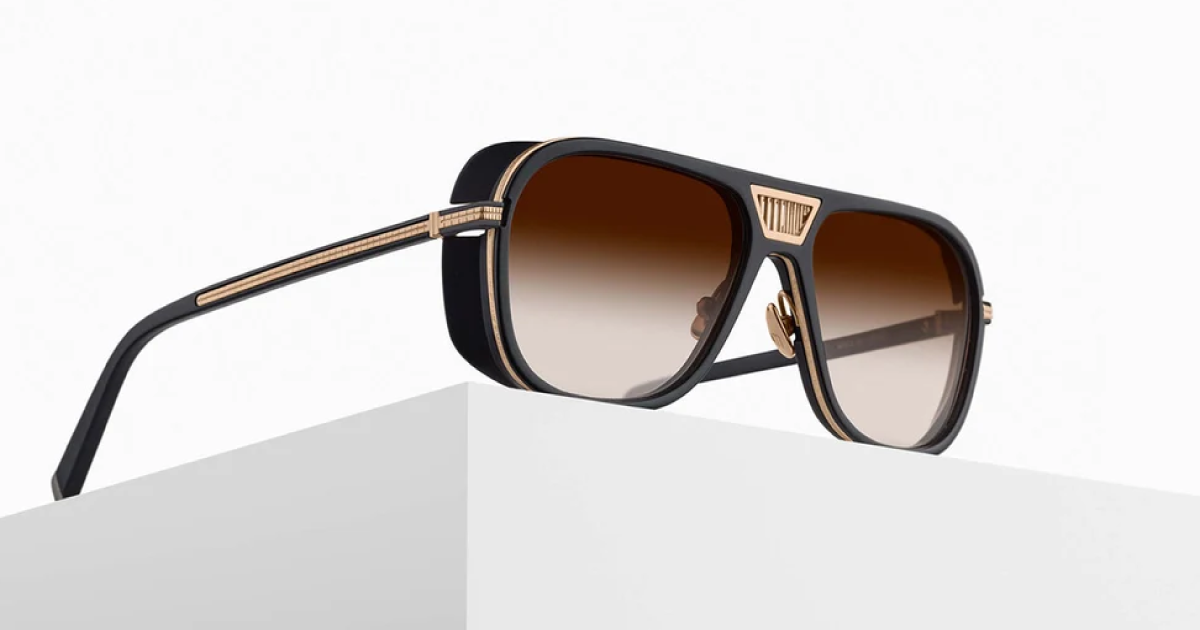
Today, eyewear has become a multi-billion dollar industry, with independent handcrafted brands like Theo, Francis Klein, and Matsuda competing to create the most coveted and exclusive frames. These high-end labels have successfully positioned their eyewear lines as aspirational products, capitalizing on the human desire for status and prestige.
The Psychology Behind Eyewear as a Status Symbol
The allure of eyewear as a status symbol lies in its ability to communicate various aspects of an individual's identity and social standing. Psychologists attribute this phenomenon to several factors:
- Conspicuous Consumption: Independent eyewear brands like Theo and Matsuda often command premium prices, appealing to consumers who engage in conspicuous consumption – the ostentatious display of wealth and status through the acquisition of expensive goods. Wearing high-end frames serves as a visible indicator of one's financial success and social standing.
- Personal Branding: In an increasingly competitive professional landscape, individuals strive to cultivate a unique personal brand that sets them apart. Eyewear has become a powerful tool for self-expression, allowing wearers to project a desired image – whether it's sophistication, creativity, or intellectual prowess.
- Social Signaling: Glasses can subtly communicate various aspects of an individual's personality, interests, and affiliations. For instance, thick-rimmed frames may signal artistic inclinations, while classic tortoiseshell styles often convey a sense of tradition and professionalism.
The Influence of Celebrities and Pop Culture
Celebrities and pop culture icons have played a significant role in shaping the perception of eyewear as a status symbol. From Hollywood stars to musicians and influencers, these public figures have the power to inspire fashion trends and shape consumer preferences.
Take, for instance, the enduring influence of Steve Jobs' signature black-rimmed glasses. The Apple co-founder's distinctive eyewear became synonymous with innovation, intellect, and success, inspiring countless individuals to emulate his iconic look.
Similarly, the resurgence of vintage-inspired frames can be attributed to the popularity of retro-themed television shows and movies like "Mad Men" and "The Marvelous Mrs. Maisel." These cultural phenomena have fueled the demand for classic eyewear styles, elevating them to the realm of high fashion and exclusivity.
The Rise of Quiet Luxury in Eyewear
As the eyewear industry continues to evolve, a new trend is emerging that challenges the traditional notion of conspicuous consumption: quiet luxury. This movement embraces a more understated and subtle approach to luxury, where quality, craftsmanship, and exclusivity take precedence over overt branding and flashiness.
Proponents of quiet luxury in eyewear seek frames that exude a sense of refined elegance and timeless sophistication without the need for ostentatious logos or embellishments. Independent eyewear brands have built a loyal following among those who appreciate this understated yet luxurious aesthetic.
These brands prioritize the use of premium materials, such as high-grade acetates, titanium, and responsibly sourced precious metals, to create frames that are both durable and visually striking in their simplicity. The attention to detail in the construction and finishing of these pieces is what truly sets them apart, reflecting the artisanal skills and meticulous craftsmanship involved in their production.
The appeal of quiet luxury in eyewear lies in its ability to convey a sense of understated confidence and discerning taste. Rather than relying on overt displays of wealth or status, these frames subtly communicate the wearer's appreciation for quality and their commitment to a more mindful and conscious approach to luxury. By emphasizing longevity, craftsmanship, and responsible sourcing, these brands offer a compelling alternative to the fast-fashion mentality that has permeated many industries, including eyewear.
Read more about quiet luxury in our recent blog post, "The Allure of Quiet Luxury"
The Future of Eyewear as a Status Symbol
As society continues to place a premium on self-expression and individuality, the role of eyewear as a status symbol is likely to persist and evolve. Emerging technological advancements, such as augmented reality and smart glasses, may further enhance the prestige and desirability of eyewear.
Independent artisanal brands will undoubtedly continue to capitalize on this trend, creating limited edition and exclusive collections that cater to affluent consumers seeking to distinguish themselves from the masses. However, the future of eyewear as a status symbol may revolve more around the quality of materials and handcrafted artistry than mass-produced inferior products.
Discerning consumers are increasingly drawn to eyewear that is crafted with meticulous attention to detail and superior materials. Brands like Theo and Matsuda have built their reputations on using premium acetates, metals, and intricate production techniques that result in frames that are true works of art. These handcrafted pieces not only exude exclusivity but also promise durability and longevity, elevating them above disposable fast-fashion alternatives.
As the demand for authenticity and craftsmanship grows, independent eyewear makers who prioritize quality over quantity may emerge as the new purveyors of status. Their limited production runs and dedication to traditional artisanal methods will become highly coveted, appealing to consumers seeking investment pieces that stand the test of time.
Additionally, the rise of sustainable and eco-friendly eyewear may introduce a new dimension to the status symbol equation, with consumers valuing ethical and environmentally conscious choices. Brands that embrace responsible sourcing, recycled materials, and environmentally friendly production processes could gain a competitive edge, catering to the growing eco-conscious luxury market.
The Takeaway
Eyewear has transcended its functional purpose to become a powerful symbol of status, success, and personal style. From independent handcrafted brands to celebrity endorsements and pop culture influences, the glasses perched atop one's nose have the ability to convey a multitude of messages about an individual's social standing, achievements, and aspirations. As society's fascination with self-expression and status symbols continues to evolve, the allure of eyewear as a coveted accessory is poised to endure for generations to come, with a renewed focus on quality, craftsmanship, and sustainability.
At Urban Optiks Optometry in San Diego, we carry the finest collection of handcrafted luxury eyewear from independent brands curated from around the world. Make an appointment today to browse our entire eyewear collection and work with our highly skilled opticians to find that perfect pair that will portray the style you wish to project - whether it's classic and sophisticated, funky and artistic, or anywhere in between. Our team is committed to helping you discover frames that not only correct your vision but also elevate your personal aesthetic.
Share this blog post on social or with a friend:
The information provided in this article is intended for general knowledge and educational purposes only and should not be construed as medical advice. It is strongly recommended to consult with an eye care professional for personalized recommendations and guidance regarding your individual needs and eye health concerns.
All of Urban Optiks Optometry's blog posts and articles contain information carefully curated from openly sourced materials available in the public domain. We strive to ensure the accuracy and relevance of the information provided. For a comprehensive understanding of our practices and to read our full disclosure statement, please click here.