Can Sunglasses Prevent Cataracts? The Science Behind the Claim

Read time: 4 minutes
Cataracts are one of the most common age-related eye conditions, affecting millions of people worldwide. They develop when the eye’s natural lens becomes cloudy, gradually reducing clarity and contrast and making daily tasks more difficult. Because cataracts tend to progress slowly, many people don’t realize that lifelong habits - including sun protection - play an important role in reducing risk.
Learn how cataracts develop and what to expect in our cataracts overview article.
One of the most frequently asked questions in eye care is whether sunglasses can actually help prevent cataracts. The short answer: yes, they can help lower your risk. To understand how, it helps to first explore what causes cataracts and how ultraviolet (UV) light interacts with the eye.
What Actually Causes Cataracts?
Cataracts form when proteins within the lens break down and clump together, causing cloudiness. This process is strongly linked to aging, but several additional factors increase risk:
- Ultraviolet (UV) radiation exposure
- Smoking
- Diabetes or certain medications (such as long-term steroid use)
- Genetic predisposition
- Previous eye injury or inflammation
Among these, UV exposure is one of the only modifiable risk factors, which is why proper sun protection is so important.
How UV Light Damages the Eye
The sun emits different types of ultraviolet radiation, but two are especially relevant for eye health:
- UVA: Penetrates deeply into the eye and contributes to long-term damage
- UVB: Causes more immediate surface-level harm and accelerates lens changes
When UV light enters the eye, the lens absorbs most of it. Over time, this absorption leads to:
- Oxidative stress
- Protein degradation
- Structural damage within the lens
These changes contribute directly to the formation of cataracts. Long-term studies - including data from the National Eye Institute and the World Health Organization - have consistently shown that people with higher lifetime UV exposure experience cataracts earlier and more frequently.
Learn more about The World Health Organization outlines the impact of UV radiation on long-term eye health.
So, Can Sunglasses Really Help Prevent Cataracts?
Yes. Sunglasses that block 100% of UVA and UVB radiation significantly reduce the amount of ultraviolet light reaching the lens, thereby reducing cumulative damage. Here’s what the science supports:
- Sunglasses reduce oxidative stress on the natural lens
- UV-blocking lenses lower the risk of UV-induced cataract formation
- Consistent sun protection helps delay the onset of age-related cataracts
This makes high-quality sunglasses a preventive health measure—not just a fashion accessory.
What to Look for in Sunglasses: A Practical Guide
Not all sunglasses offer equal protection. Tint, color, or price do not necessarily correlate with UV-blocking ability. For proper cataract prevention, sunglasses should have:
- 100% UVA + UVB protection (sometimes labeled UV400)
- Large lenses or wraparound styles to reduce side exposure
- Polarization to minimize glare (optional but helpful for comfort)
- Optical-grade materials for distortion-free clarity
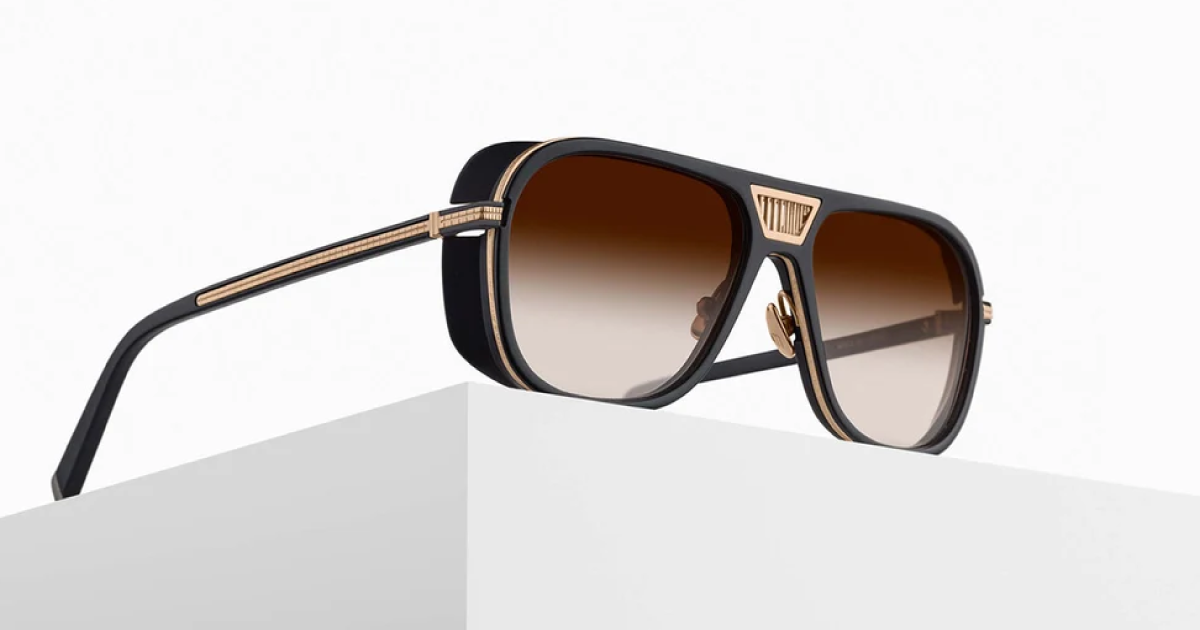
At Urban Optiks Optometry, many of our luxury eyewear designers integrate superior UV-blocking technology into both sun lenses and ophthalmic lenses. Quality matters—especially when you're protecting the only pair of eyes you have.
Don’t Forget: UV Is Everywhere
UV radiation doesn’t disappear when the weather changes. Understanding where UV exposure comes from helps reinforce the importance of year-round sunglasses.
Situations with higher UV risk include:
- Bright sunny days
- Cloudy or overcast weather (UV still penetrates clouds)
- Snowy environments, which can reflect up to 80% of UV rays
- Water activities, with strong surface reflection
- High-altitude locations, where UV intensity increases
Even short bursts of unprotected exposure add up over a lifetime.
Get some tips from the National Eye Institution to help protect your eyes from the sun’s UV light.
Additional Ways to Support Long-Term Lens Health
Sunglasses are a powerful protective tool, but other healthy habits also contribute to cataract prevention.
Evidence-based strategies include:
- Eating a diet rich in antioxidants (leafy greens, colorful vegetables, citrus fruits)
- Managing systemic conditions like diabetes
- Quitting smoking
- Using wide-brimmed hats for added shade
- Scheduling regular comprehensive eye exams to monitor lens changes
These measures help preserve clarity and reduce risk as you age.
The Takeaway
Cataracts are a normal part of aging, but lifetime UV exposure plays a major role in how early they develop. Wearing high-quality sunglasses that block 100% of UV radiation is one of the simplest, most effective ways to protect your long-term eye health.
Whether you're spending time at the beach, walking your dog, skiing, or driving to work, your eyes deserve the same thoughtful protection you give your skin. The right sunglasses don’t simply elevate your style—they help preserve your vision for decades to come.
If you’re ready to find eyewear that combines exceptional UV protection with handcrafted design, the team at Urban Optiks Optometry is here to guide you toward the perfect pair. Schedule an appointment today!
Share this blog post on social or with a friend:
The information provided in this article is intended for general knowledge and educational purposes only and should not be construed as medical advice. It is strongly recommended to consult with an eye care professional for personalized recommendations and guidance regarding your individual needs and eye health concerns.
All of Urban Optiks Optometry's blog posts and articles contain information carefully curated from openly sourced materials available in the public domain. We strive to ensure the accuracy and relevance of the information provided. For a comprehensive understanding of our practices and to read our full disclosure statement, please click here.