Eyewear Failures: Famous Designs That Didn’t Work and Why
Read time: 4 minutes
Eyewear has always been a blend of functionality, technology, and fashion. While many designs have stood the test of time, others have stumbled, failing to capture consumer interest or meet practical expectations. These infamous flops in the eyewear world remind us that even the most innovative ideas need a solid foundation of usability and market understanding to succeed. Let’s take a closer look at some eyewear designs that didn’t work and the reasons behind their failure.
Google Glass: Ahead of Its Time?
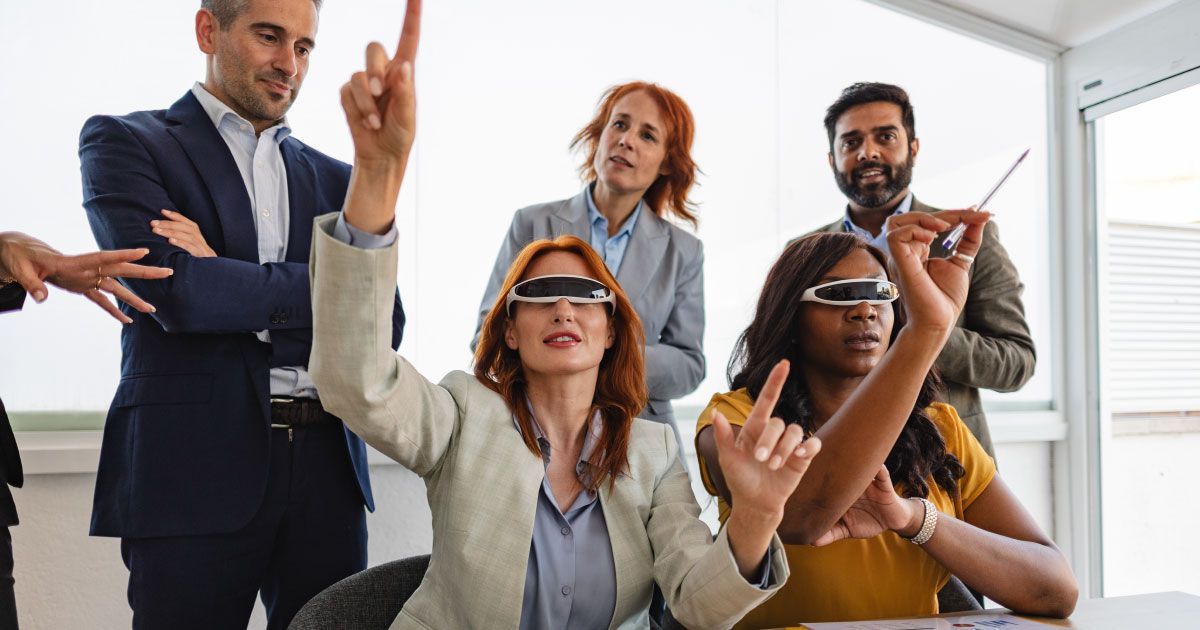
When Google Glass launched in 2013, it promised a revolution in wearable tech. Combining glasses with augmented reality, the device included a small display in the wearer’s field of vision, offering features like navigation, notifications, and video recording. Despite the hype, Google Glass failed spectacularly as a consumer product. Why?
- Privacy Concerns: The ability to record others discreetly raised ethical and legal questions, making many wary of interacting with users wearing the glasses.
- Style Issues: The design was bulky and unattractive, failing to appeal to fashion-conscious consumers.
- Cost: At a staggering $1,500, the price was inaccessible for most.
- Functionality: Limited battery life and a lack of compelling use cases left users underwhelmed.
Although Google Glass found a second life in niche industries like healthcare and manufacturing, its initial consumer-focused release highlighted the risks of launching a product without fully addressing societal and practical concerns.
Snapchat Spectacles: Fun but Impractical
In 2016, Snapchat introduced Spectacles, sunglasses equipped with cameras that could record short videos for social sharing. Marketed as a fun, youthful gadget, Spectacles initially garnered attention but soon fizzled out. Here’s why:
- Limited Functionality: Beyond recording short clips, Spectacles offered little value to users.
- Awkward Storage: The charging case was bulky, making it inconvenient for users on the go.
- Privacy Worries: Like Google Glass, Spectacles raised concerns about covert recording.
- Overproduction: Snapchat reportedly overestimated demand, leading to millions of unsold units.
While Spectacles have seen iterative updates, the initial launch serves as a cautionary tale about balancing novelty with practicality.
Adjustable Glasses: Great Concept, Poor Execution
Adjustable glasses, such as Adlens, aimed to solve the problem of varying prescriptions by allowing users to change lens focus manually. While innovative, they struggled to gain widespread adoption due to several issues:
- Aesthetic Concerns: The design was often bulky and unattractive, alienating style-conscious consumers.
- Complexity: Adjusting the lenses was not as intuitive as promised, leading to frustration.
- Perceived Inferiority: Consumers often viewed these glasses as a “low-budget” option compared to traditional prescription lenses, impacting their reputation.
Despite these challenges, adjustable glasses continue to have potential in specific markets, particularly in developing countries where access to affordable prescription eyewear is limited.
3D Glasses: A Trend That Fizzled
Remember the early 2010s, when 3D TVs and movies were all the rage? Manufacturers rolled out 3D glasses for home use, banking on the popularity of immersive viewing. However, the trend quickly lost steam. Why?
- Inconvenience: Having to wear special glasses at home was an inconvenience for many viewers.
- Limited Content: The lack of compelling 3D programming made the glasses less useful.
- Uncomfortable Design: Many 3D glasses were uncomfortable, especially during long viewing sessions.
- Technology Shift: As virtual reality and 4K TVs gained traction, interest in 3D technology dwindled.
Today, 3D glasses are largely relegated to occasional use in movie theaters, serving as a reminder of how quickly trends can fade.
Shutter Shades: A Fad Without Function
Popularized in the early 2000s by several prominent celebrities, shutter shades were a purely aesthetic eyewear trend featuring horizontal slats instead of lenses. While they achieved brief popularity as a fashion statement, their impracticality doomed them to novelty status.
- No Sun Protection: The lack of actual lenses meant they offered zero UV protection, defeating the purpose of sunglasses.
- Limited Visibility: The slats obstructed vision, making them impractical for everyday wear.
- Short Lifespan: As a purely aesthetic item, they quickly fell out of favor once the novelty wore off.
Shutter shades remain a symbol of fleeting fashion trends, beloved by some for nostalgia but largely forgotten by the mainstream.
Flip-Up Sunglasses: Too Gimmicky
Flip-up sunglasses were designed to allow wearers to switch between shaded and clear vision by flipping the sunglass lens up or down. While the concept seemed practical, the design struggled to gain traction:
- Cumbersome Mechanism: The flipping mechanism was often clunky and prone to breaking.
- Style Drawbacks: The design lacked sophistication and was often perceived as gimmicky.
- Alternatives: Advancements in photochromic lenses (which darken in sunlight) rendered flip-ups largely obsolete.
Though still found in niche markets, flip-up sunglasses serve as a reminder that functionality must align with aesthetics to succeed.
Lessons Learned from Eyewear Failures
These examples highlight key lessons for both designers and consumers:
- Balance Form and Function: Eyewear must be both practical and stylish to appeal to a broad audience.
- Address Privacy and Ethical Concerns: As technology integrates into eyewear, designers must consider societal implications.
- Understand the Market: Overproduction or misunderstanding consumer needs can lead to significant losses.
- Focus on Longevity: Avoid relying on fleeting trends; instead, design products with lasting appeal.
The Takeaway
While failures in eyewear design can be costly, they also pave the way for innovation and improvement. Each flop offers valuable insights into what consumers value in their eyewear. As technology and fashion continue to evolve, the industry must learn from these missteps to create products that are both functional and desirable. Who knows? Today’s failures might just inspire tomorrow’s breakthroughs.
Share this blog post on social or with a friend:
The information provided in this article is intended for general knowledge and educational purposes only and should not be construed as medical advice. It is strongly recommended to consult with an eye care professional for personalized recommendations and guidance regarding your individual needs and eye health concerns.
All of Urban Optiks Optometry's blog posts and articles contain information carefully curated from openly sourced materials available in the public domain. We strive to ensure the accuracy and relevance of the information provided. For a comprehensive understanding of our practices and to read our full disclosure statement, please click here.