Traditional Chinese and Ayurvedic Eye Health Practices
Read time: 4 minutes
For centuries, Traditional Chinese Medicine (TCM) and Ayurveda have provided holistic approaches to maintaining and improving eye health. These ancient healing systems emphasize the connection between vision and overall wellness, focusing on balance within the body. While their methods differ, both traditions stress the importance of diet, lifestyle, and natural remedies in protecting and strengthening eyesight.
Traditional Chinese Medicine and Eye Health
In TCM, the eyes are closely connected to the liver, which is considered the organ responsible for nourishing them. According to TCM principles, when liver energy, or "qi," is strong and balanced, the eyes function properly. However, imbalances in liver qi can lead to vision issues such as dryness, redness, blurry vision, or eye strain. Proper circulation of qi and blood is essential for nourishing eye tissues, and stagnation can contribute to discomfort and disease.
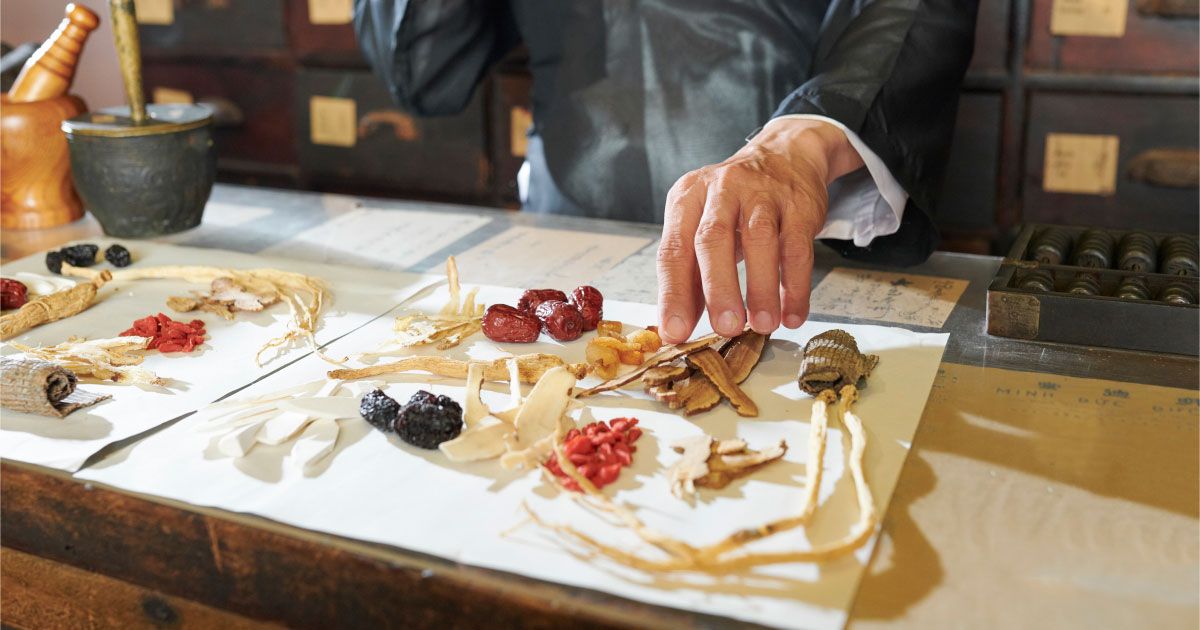
To promote eye health, TCM practitioners often recommend dietary modifications, herbal remedies, and acupuncture. Chrysanthemum tea, known for its cooling and soothing properties, is commonly used to relieve eye fatigue. Goji berries, or “gou qi zi,” are another well-known remedy believed to strengthen the liver and enhance vision. These herbs are often consumed in teas, soups, or supplements to support long-term eye health.
Acupuncture is also a key component of TCM eye care. Specific points around the eyes and along the liver and kidney meridians are targeted to improve circulation and reduce strain. Regular acupuncture treatments are thought to help manage conditions such as glaucoma, cataracts, and eye fatigue. Additionally, TCM emphasizes proper rest and reduced screen exposure to prevent excessive strain on the eyes.
Ayurvedic Approaches to Eye Health
Ayurveda, the ancient medical system of India, views the eyes as one of the most important sensory organs. They are governed by the pitta dosha, which is associated with heat and light. If pitta energy becomes excessive, it can lead to inflammation, dryness, and other vision problems. Ayurvedic eye care aims to calm the pitta dosha and maintain overall balance through diet, herbal treatments, and cleansing practices.
Herbal remedies play a significant role in Ayurveda. Triphala, a blend of three medicinal fruits, is one of the most widely used treatments for eye health. It is believed to detoxify, strengthen, and rejuvenate the eyes and is often taken as a supplement or used as an eye wash. Another common remedy is rose water, which has cooling and soothing properties. Many people apply rose water as eye drops to reduce redness, irritation, and dryness.
A unique Ayurvedic practice for eye care is netra basti, a therapy in which warm, clarified butter (ghee) is gently poured over the eyes. This treatment is believed to cleanse, nourish, and strengthen vision while relieving dryness and fatigue. Another traditional method involves washing the eyes with herbal decoctions, such as Triphala-infused water, to remove impurities and refresh the eyes.
Ayurveda also stresses the importance of a pitta-balancing diet, recommending cooling and hydrating foods like cucumber, melon, and coconut water. Practitioners advise against prolonged screen exposure, harsh lighting, and excessive strain on the eyes. Additionally, meditation, yoga, and breathing exercises are encouraged to enhance circulation, reduce stress, and promote relaxation—factors that contribute to better vision.
Common Themes and Modern Applications
Despite their cultural differences, TCM and Ayurveda share common principles when it comes to eye care. Both traditions emphasize that eye health is deeply connected to overall well-being and that imbalances within the body can manifest as vision problems. Their shared focus on nutrient-rich foods, stress reduction, and natural remedies aligns with modern research linking lifestyle factors to eye health.
Today, elements of these traditional practices are being integrated into modern wellness approaches. Studies continue to explore the potential benefits of acupuncture for eye conditions, and herbal remedies like goji berries and Triphala are widely recognized for their antioxidant properties. While TCM and Ayurveda should not replace modern medical treatments, they offer valuable insights into natural ways to support vision and eye comfort.
The Takeaway
Traditional Chinese Medicine and Ayurveda provide time-tested approaches to eye care that go beyond symptom management, addressing the root causes of eye imbalances. Through dietary adjustments, herbal remedies, and lifestyle changes, these systems promote holistic well-being, which in turn supports long-term vision health. Whether through the soothing effects of chrysanthemum tea, the rejuvenating benefits of Triphala, or the balancing power of acupuncture and yoga, these ancient traditions remind us that taking care of our eyes means taking care of our entire body.
Share this blog post on social or with a friend:
The information provided in this article is intended for general knowledge and educational purposes only and should not be construed as medical advice. It is strongly recommended to consult with an eye care professional for personalized recommendations and guidance regarding your individual needs and eye health concerns.
All of Urban Optiks Optometry's blog posts and articles contain information carefully curated from openly sourced materials available in the public domain. We strive to ensure the accuracy and relevance of the information provided. For a comprehensive understanding of our practices and to read our full disclosure statement, please click here.