Under Pressure: How High Blood Pressure Affects Your Eyes
November 12, 2023
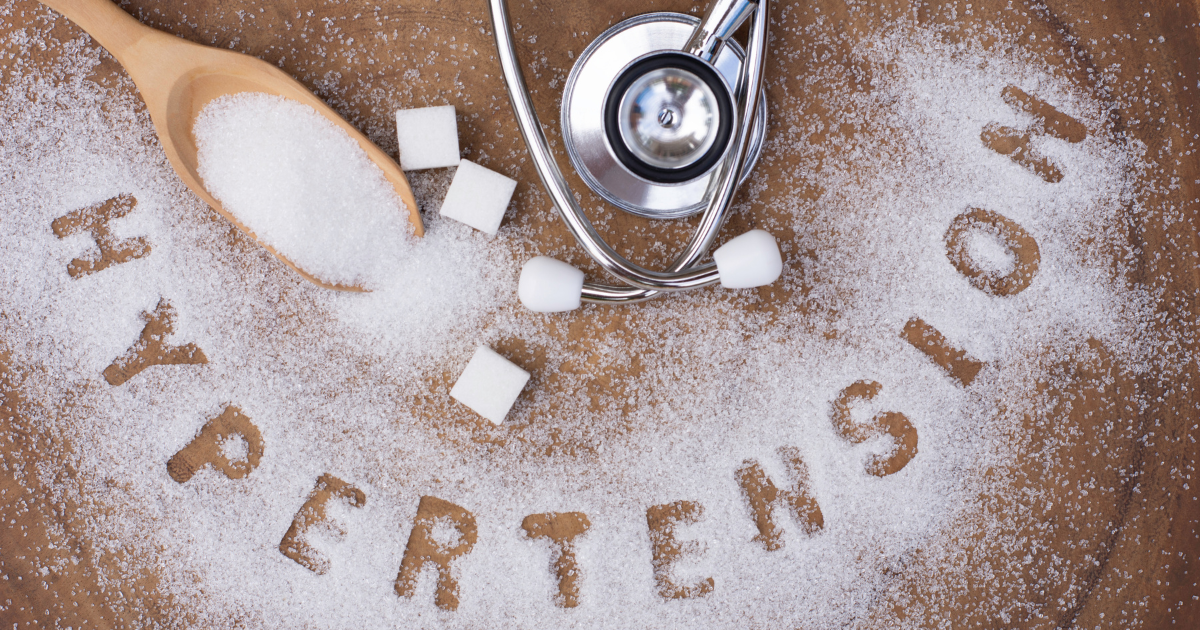
A stethoscope, wooden spoon, and the word hypertension spelled out in sugar

Read time: 4 minutes


High Blood Pressure and Eye Health


High blood pressure is a common health problem that affects many people around the world. It occurs when the force of blood pushing against the walls of your arteries is consistently too high. This can cause damage to your blood vessels and lead to various health complications, including eye problems.

High blood pressure, a condition where forceful blood flow damages arteries, can wreak havoc on blood vessels throughout the body, including the delicate ones in the eyes. When blood pressure is high, the tiny blood vessels in the eyes can become damaged. This can cause a variety of eye problems, causing vision disturbances and, if left untreated, potential vision loss, as well as:


  • Retinopathy: Damage to the blood vessels in the retina, which can lead to vision loss
  • Optic neuropathy: Damage to the optic nerve, which can also lead to vision loss
  • Hypertensive retinopathy: A condition where high blood pressure causes damage to the blood vessels in the retina, leading to changes in vision including blurred vision, double vision, or, in severe cases, complete loss of sight


Additionally, high blood pressure heightens the risk of developing other eye conditions such as glaucoma and macular degeneration. Glaucoma, responsible for optic nerve damage, can cause blindness, while macular degeneration affects the central retina, leading to vision loss.


Historical Perspectives: A Glimpse into the Past


Throughout ancient civilizations, signs similar to hypertension were observed, though their true understanding emerged only with modern medical advancements. Texts from civilizations like ancient Egypt and China hinted at symptoms related to high blood pressure, shedding light on the condition's historical presence. However, it wasn't until the 20th century that researchers started unraveling the complexities of hypertension and its connection to eye health.


Contemporary Insights: Navigating the Present


In contemporary times, extensive research and advanced imaging technologies have deepened our understanding of the relationship between high blood pressure and eye problems. Studies have illuminated the common occurrence of hypertensive retinopathy due to uncontrolled high blood pressure. This damage, leading to retinal hemorrhages and optic disc swelling, significantly impairs vision.


Managing High Blood Pressure and Protecting Your Eyes


Effective strategies exist to manage high blood pressure and shield the eyes from potential harm. To manage high blood pressure and protect your eyes, it's important to follow a healthy lifestyle that includes:


  • Eating a balanced diet: One that is low in sodium and high in fruits, vegetables, and whole grains
  • Regular Exercise:  To help maintain a healthy weight and keep your blood pressure under control
  • Monitoring Your Blood Pressure: It's helpful to monitor your blood pressure regularly and take medication as prescribed your doctor
  • Quitting smoking 
  • Reducing alcohol intake


As Always, The Importance of Regular Eye Exams


In addition to these lifestyle changes, it's important to have regular comprehensive eye exams to detect any changes in your vision that may be caused by high blood pressure. If you have high blood pressure, be sure to inform your eye doctor so they can monitor your eye health closely.

Regular eye exams are very important, especially for individuals with high blood pressure. These examinations serve as crucial diagnostic tools, detecting early signs of eye problems linked to hypertension. By informing your eye doctor about your high blood pressure, they can closely monitor your eye health and provide tailored guidance.


Innovative Treatments and Interventions: Shaping the Future


Medical advancements have ushered in a new era of treatments for hypertension-related eye conditions. Common antihypertensive medications, such as ACE inhibitors and beta-blockers, effectively manage high blood pressure. Additionally, innovative therapies like the Dietary Approaches to Stop Hypertension (DASH) diet, emphasizing a balanced intake of fruits, vegetables, and low-fat dairy, contribute to overall cardiovascular health.

Promising developments, including gene therapies and targeted medications, are emerging from ongoing clinical trials. These groundbreaking treatments hold the potential to prevent or even reverse eye damage caused by hypertension, promising a future where personalized interventions safeguard vision effectively.


Taking Control of Your Eye Health


In our digital age, knowledge about the risks associated with high blood pressure and its impact on eye health is readily accessible. Online resources, medical websites, and mobile applications empower individuals to proactively manage their hypertension and protect their eyesight. Regular monitoring of blood pressure at home has become commonplace, enabling individuals to track their progress and make informed decisions about their health.


Embracing the Journey Ahead


The connection between high blood pressure and eye health stands as a testament to the human body's complexity. By embracing the wealth of information available, staying vigilant in managing hypertension, and prioritizing regular eye care, we empower ourselves to preserve our vision.

Share this blog post on social or with a friend:

The information provided in this article is intended for general knowledge and educational purposes only and should not be construed as medical advice. It is strongly recommended to consult with an eye care professional for personalized recommendations and guidance regarding your individual needs and eye health concerns.


All of Urban Optiks Optometry's blog posts and articles contain information carefully curated from openly sourced materials available in the public domain. We strive to ensure the accuracy and relevance of the information provided. For a comprehensive understanding of our practices and to read our full disclosure statement, please click here.

OUR LATEST POSTS

Spiral staircase with ornate iron railings and a warm-lit central well, viewed from above
September 8, 2026
Learn how depth perception helps you judge distance, what allows us to see in three dimensions, and the eye conditions that can affect this essential visual skill.
Eye with color chart in a vision-testing lab and a monitor showing color patterns
September 3, 2026
Not all color vision tests are the same. Discover how advanced testing provides a more complete understanding of the way you perceive color.
Close-up blue eye centered between blue and brown molecular patterns on a pale background
August 29, 2026
Read time: 4 minutes Your body is home to trillions of microorganisms that live on the skin and in areas such as the gut, mouth, and eyes. When these microbial communities remain in balance, they help support normal function and comfort. When that balance shifts, a state known as dysbiosis can occur. Dysbiosis does not mean infection. Instead, it describes a change in the normal mix of microbes—such as when helpful organisms decrease, potentially harmful ones increase, or the normal composition and diversity of the microbial community changes. Research continues to explore how dysbiosis may affect different parts of the body, including the eyes. What Is Dysbiosis? Dysbiosis refers to an imbalance in the normal microbial community of a specific area of the body. It has been most widely studied in the gut, but scientists now recognize that dysbiosis can also occur on other body surfaces. Key points to understand: Dysbiosis is not a disease by itself. Many people have changes in their microbiome without developing symptoms, and researchers are still working to understand when these changes become clinically important. It may be associated with inflammation and irritation It can make tissues more vulnerable to symptoms or flare-ups It is influenced by environment, overall health, and daily habits Cleveland Clinic explains dysbiosis as an imbalance in the body’s normal microbial community , which may contribute to inflammation and symptoms. The Evolution of Our Understanding of Microbes For many years, microbes were viewed primarily as harmful invaders. Medical care focused on eliminating bacteria whenever possible, especially on sensitive tissues like the eyes. As research tools improved, scientists discovered that healthy tissues often host small, stable microbial populations. This shifted medical thinking. Instead of assuming that all microbes were harmful, modern research recognizes that balance matters more than complete elimination. Dysbiosis emerged as a concept to describe what can happen when that balance is disrupted. Dysbiosis and the Eye The surface of the eye is exposed to air, water, and touch every day, yet it usually remains healthy. This stability depends on tear film, immune defenses, and a carefully regulated microbial environment. When dysbiosis affects the eye, it may be associated with: Increased inflammation Reduced surface comfort Greater sensitivity or irritation A higher likelihood of surface-related conditions Dysbiosis does not automatically cause eye disease, but it may contribute to symptoms when combined with other factors. The American Academy of Ophthalmology notes that healthy eyes support a small, carefully regulated microbial population on the surface. Common Factors Linked to Dysbiosis Several everyday factors may be associated with microbial imbalance: Overuse of antibiotics Chronic inflammation Environmental stressors such as prolonged dryness Contact lens wear Certain medical conditions Poor eyelid hygiene Not everyone exposed to these factors develops symptoms. Individual immune response plays a significant role. Eyelid inflammation can also influence surface balance, as explained in our blepharitis resource. Dysbiosis and Dry Eye Dry eye disease is complex and influenced by multiple factors. Research suggests that changes in the eye’s surface environment - including microbial balance - may be associated with inflammation seen in dry eye. Dysbiosis may: Disrupt tear film stability Increase inflammatory signaling Contribute to ongoing surface irritation This helps explain why dry eye care often focuses on long-term surface health, rather than temporary lubrication alone. Supporting a Healthy Microbial Balance There is no direct way to “reset” the microbiome, but supportive habits can help maintain stability. Helpful practices include: Proper contact lens hygiene Avoiding unnecessary antibiotic use Managing dry eye early Keeping eyelids clean Attending regular eye exams These habits support overall ocular surface health, which in turn helps maintain the eye's natural microbial environment. The Takeaway Dysbiosis describes a shift in the body’s normal microbial balance, not an infection or a diagnosis on its own. On the eye’s surface, this imbalance may be associated with inflammation, irritation, and conditions like dry eye when combined with other factors such as environment, hygiene, or overall health. While research into dysbiosis continues to evolve, one principle is already clear: eye health depends on balance, not sterility. As science continues to expand understanding of microbial balance, thoughtful, preventive eyecare remains the most reliable way to protect long-term comfort and vision. At Urban Optiks Optometry, that approach emphasizes surface health, early evaluation, and habits that support the eye’s natural systems over time.
Man in a blue shirt pouring water on his face outdoors in bright sunlight
August 24, 2026
Learn how summer heat, sunshine, and dry air can affect contact lens comfort, plus practical tips to help keep your eyes healthy and your vision clear.
Brown-tinted sunglasses with gold accents, resting on a white geometric surface.
August 19, 2026
Discover what sets luxury sunglasses apart, from premium materials and handcrafted design to advanced lenses that deliver lasting comfort, protection, and style.
Smiling person with curly hair in a blue top looking up outdoors near greenery
August 15, 2026
Learn how dust, chemicals, wind, dry air, and water can affect contact lenses, plus practical steps to protect your eyes and prevent irritation.
Person cleaning eyeglasses with a cloth on a table, with a glasses case and lens spray nearby.
August 10, 2026
Check out these simple habits that help premium eyeglasses stay comfortable, clear, and looking their best.
Woman wearing glasses in a beige sweater, standing outdoors with a soft sunlit landscape behind her.
August 5, 2026
Learn how hormonal changes during puberty, pregnancy, menopause, and other life stages can affect vision, dry eye symptoms, and overall eye health.
Close-up of a woman with curly hair and glasses, resting her hand on her neck outdoors
July 31, 2026
Discover this summer's luxury designer eyewear trends, from bold statement frames to lightweight minimalist styles and handcrafted details that elevate every look.
Man shielding his eyes from bright sunlight outdoors in a park
July 26, 2026
Discover why your eyes water in bright sunlight, the causes of photophobia, when light sensitivity may signal an eye condition, and how to protect your vision.
Spiral staircase with ornate iron railings and a warm-lit central well, viewed from above
September 8, 2026
Learn how depth perception helps you judge distance, what allows us to see in three dimensions, and the eye conditions that can affect this essential visual skill.
Eye with color chart in a vision-testing lab and a monitor showing color patterns
September 3, 2026
Not all color vision tests are the same. Discover how advanced testing provides a more complete understanding of the way you perceive color.
Close-up blue eye centered between blue and brown molecular patterns on a pale background
August 29, 2026
Read time: 4 minutes Your body is home to trillions of microorganisms that live on the skin and in areas such as the gut, mouth, and eyes. When these microbial communities remain in balance, they help support normal function and comfort. When that balance shifts, a state known as dysbiosis can occur. Dysbiosis does not mean infection. Instead, it describes a change in the normal mix of microbes—such as when helpful organisms decrease, potentially harmful ones increase, or the normal composition and diversity of the microbial community changes. Research continues to explore how dysbiosis may affect different parts of the body, including the eyes. What Is Dysbiosis? Dysbiosis refers to an imbalance in the normal microbial community of a specific area of the body. It has been most widely studied in the gut, but scientists now recognize that dysbiosis can also occur on other body surfaces. Key points to understand: Dysbiosis is not a disease by itself. Many people have changes in their microbiome without developing symptoms, and researchers are still working to understand when these changes become clinically important. It may be associated with inflammation and irritation It can make tissues more vulnerable to symptoms or flare-ups It is influenced by environment, overall health, and daily habits Cleveland Clinic explains dysbiosis as an imbalance in the body’s normal microbial community , which may contribute to inflammation and symptoms. The Evolution of Our Understanding of Microbes For many years, microbes were viewed primarily as harmful invaders. Medical care focused on eliminating bacteria whenever possible, especially on sensitive tissues like the eyes. As research tools improved, scientists discovered that healthy tissues often host small, stable microbial populations. This shifted medical thinking. Instead of assuming that all microbes were harmful, modern research recognizes that balance matters more than complete elimination. Dysbiosis emerged as a concept to describe what can happen when that balance is disrupted. Dysbiosis and the Eye The surface of the eye is exposed to air, water, and touch every day, yet it usually remains healthy. This stability depends on tear film, immune defenses, and a carefully regulated microbial environment. When dysbiosis affects the eye, it may be associated with: Increased inflammation Reduced surface comfort Greater sensitivity or irritation A higher likelihood of surface-related conditions Dysbiosis does not automatically cause eye disease, but it may contribute to symptoms when combined with other factors. The American Academy of Ophthalmology notes that healthy eyes support a small, carefully regulated microbial population on the surface. Common Factors Linked to Dysbiosis Several everyday factors may be associated with microbial imbalance: Overuse of antibiotics Chronic inflammation Environmental stressors such as prolonged dryness Contact lens wear Certain medical conditions Poor eyelid hygiene Not everyone exposed to these factors develops symptoms. Individual immune response plays a significant role. Eyelid inflammation can also influence surface balance, as explained in our blepharitis resource. Dysbiosis and Dry Eye Dry eye disease is complex and influenced by multiple factors. Research suggests that changes in the eye’s surface environment - including microbial balance - may be associated with inflammation seen in dry eye. Dysbiosis may: Disrupt tear film stability Increase inflammatory signaling Contribute to ongoing surface irritation This helps explain why dry eye care often focuses on long-term surface health, rather than temporary lubrication alone. Supporting a Healthy Microbial Balance There is no direct way to “reset” the microbiome, but supportive habits can help maintain stability. Helpful practices include: Proper contact lens hygiene Avoiding unnecessary antibiotic use Managing dry eye early Keeping eyelids clean Attending regular eye exams These habits support overall ocular surface health, which in turn helps maintain the eye's natural microbial environment. The Takeaway Dysbiosis describes a shift in the body’s normal microbial balance, not an infection or a diagnosis on its own. On the eye’s surface, this imbalance may be associated with inflammation, irritation, and conditions like dry eye when combined with other factors such as environment, hygiene, or overall health. While research into dysbiosis continues to evolve, one principle is already clear: eye health depends on balance, not sterility. As science continues to expand understanding of microbial balance, thoughtful, preventive eyecare remains the most reliable way to protect long-term comfort and vision. At Urban Optiks Optometry, that approach emphasizes surface health, early evaluation, and habits that support the eye’s natural systems over time.
Man in a blue shirt pouring water on his face outdoors in bright sunlight
August 24, 2026
Learn how summer heat, sunshine, and dry air can affect contact lens comfort, plus practical tips to help keep your eyes healthy and your vision clear.
Brown-tinted sunglasses with gold accents, resting on a white geometric surface.
August 19, 2026
Discover what sets luxury sunglasses apart, from premium materials and handcrafted design to advanced lenses that deliver lasting comfort, protection, and style.