Understanding Advanced Color Vision Testing
Read time: 5 minutes
When we hear the phrase advanced color vision testing or hard color blind test, it might sound a bit intimidating, but it's really just a deeper way of checking how someone sees color. While most basic screenings catch the most common types of color vision trouble, a harder test gives a fuller picture. These more detailed tests are often used when there's a specific need to measure color vision more clearly, like for certain jobs or for safety requirements.
Unlike the color vision screening tests most of us remember from school, this kind of test goes beyond red-green checks. It can provide a more detailed assessment of how someone distinguishes different colors and color differences. If someone's had trouble matching colors, reading signs, or passing basic screenings, this test might help explain why. It's not about getting a passing score; it's about helping people better understand how they see the world and what adjustments might help them.
Learn more about color vision deficiency from the National Eye Institute.
What Color Blindness Really Means
Color blindness doesn't always mean seeing in black and white. Most people with color vision issues can still see color, just not the same way others do. Usually, the trouble is with certain shades blending together or not standing out the way they should.
There are a few common types of color blindness:
- Red-green: This is the most typical, where red and green start to look the same or very close
- Blue-yellow: Less common, but makes it hard to tell the two apart
- Complete color blindness (achromatopsia): A very rare condition in which little or no color can be perceived.
Sometimes, people don't even notice they see color differently until they struggle with something more specific, like reading a color-coded map or matching clothes. Kids might get confused by charts in school or signals on games without realizing it's connected to vision.
Knowing this early on can help a lot. It can make classroom tools easier to use or help someone plan for future work that might need good color vision. It's not about fixing the eyes; it's about helping people better understand how they perceive color and adapt when needed in a way that makes daily life smoother.
What Makes a Color Blind Test "Hard"?
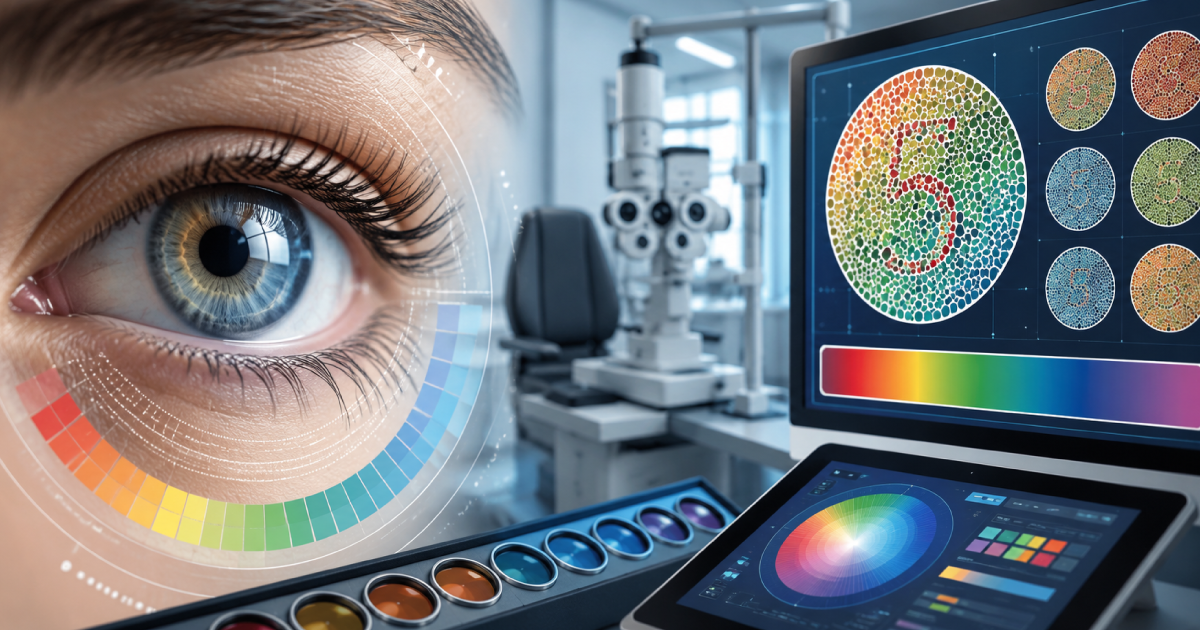
Most people start with a simple color vision test. That's usually a bunch of colored dots with numbers or shapes hidden inside them. If you can't see the shape, it could mean there's a color vision issue.
An advanced color vision test goes much further than that. These tests show more color ranges, finer details, and check for less obvious problems. They often use tools that show a series of color blocks or patterns that need to be sorted or matched. This can help show exactly what kind of color confusion is happening.
Here's where they're often used:
- Job screenings, especially in fields like transportation or design
- Safety testing, like reading colored signals at a distance
- Deeper testing after a basic screen shows a possible issue
The results from these kinds of tests are more specific. Instead of a yes or no, they can show how strong someone's color vision is and where the gaps are. That's helpful if you want to know more than just "pass or fail."
If an initial screening raises questions, eye doctors may use additional tests such as hue arrangement tests or an anomaloscope to better understand the type and severity of a color vision deficiency.
What to Expect During an Advanced Color Vision Test
These tests don't hurt, and there's no need to prepare like for other medical exams. They're usually done at an eye care office using printed tests, digital screens, or sometimes both.
Here's what you might do:
- Match tiles or circles that look alike in color
- Sort items gradually by shade
- Identify symbols or shapes hidden in tricky backgrounds
The setting is often quiet, with good lighting and a bit of extra time to get the best results. Depending on the test being performed, color vision testing may take anywhere from a few minutes to around 30 minutes or longer. Some are longer if more detail is needed.
After the test, you'll get results that explain how you see color and whether anything stood out during the test. You can then decide if any changes might be helpful in daily life. It's not pass-or-fail; it's more like a map of how your eyes and brain work with color.
Who Should Consider Taking One
Not everyone needs an advanced color vision test. But sometimes a basic screening just doesn't give enough information. If color seems off to you, or you've had questions about it since childhood, this kind of test might help bring some clarity.
These are a few times people may want one:
- You've had trouble with basic color vision tests
- Your job or school needs strong color recognition
- You've noticed signs that you mix up colors often without realizing it
We might suggest a full test when a patient is struggling with certain details at work or school, especially in roles that depend on reading colors quickly or accurately. It's often useful before applying for a license or credential tied to visual safety.
The main benefit is knowing exactly how your eyes handle color. That can guide choices in lighting, screen settings, material design, and more. It's about helping your world feel a little clearer and less frustrating day-to-day.
A comprehensive eye exam can help determine whether additional color vision testing is appropriate. Learn more about our Comprehensive Eye Exams.
The Takeaway
Understanding how your eyes see color can change the way you interact with the world around you. It affects the signs you read, the clothes you wear, and how you use tools at home or at work. Especially in places with lots of natural color shifts like San Diego, even small color vision gaps can have a real impact.
If you have questions about your color vision or have experienced difficulty with previous screenings,
schedule a comprehensive eye exam with Urban Optiks Optometry. Our advanced diagnostics provide clear insights into how you perceive colors, helping you navigate your vibrant environment with ease. Whether for career qualifications or personal clarity, knowing how you see the world empowers you to make informed choices.
Share this blog post on social or with a friend:
The information provided in this article is intended for general knowledge and educational purposes only and should not be construed as medical advice. It is strongly recommended to consult with an eye care professional for personalized recommendations and guidance regarding your individual needs and eye health concerns.
All of Urban Optiks Optometry's blog posts and articles contain information carefully curated from openly sourced materials available in the public domain. We strive to ensure the accuracy and relevance of the information provided. For a comprehensive understanding of our practices and to read our full disclosure statement, please click here.