What Makes Luxury Sunglasses Worth the Investment?
August 19, 2026
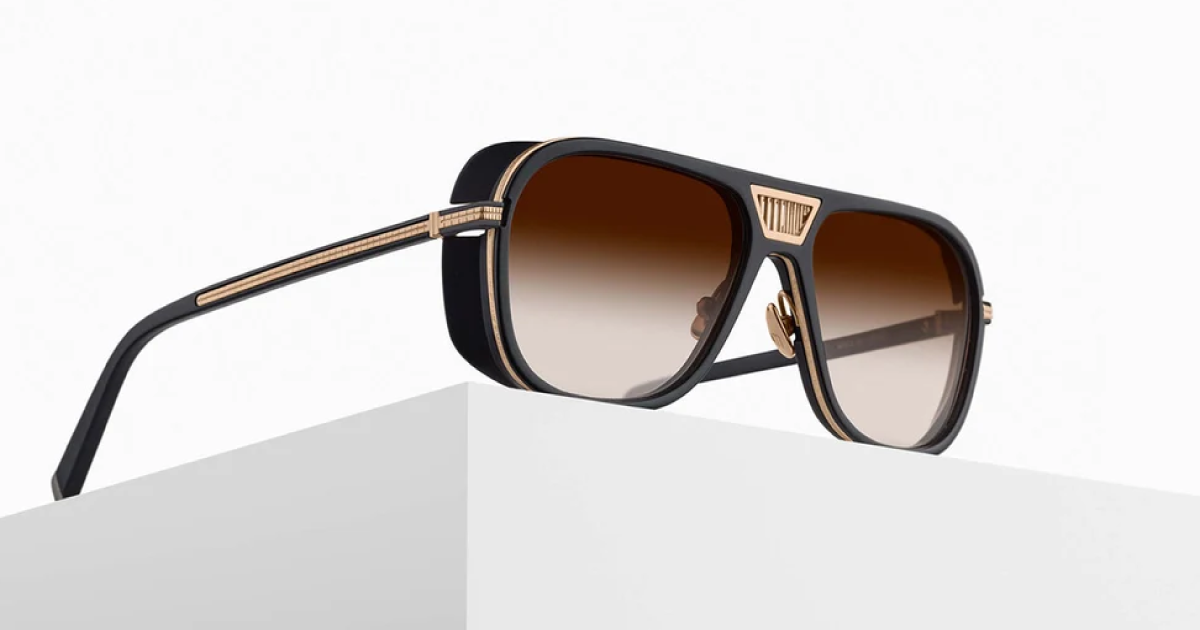
Brown-gradient sunglasses with black frames and gold accents on a white surface

Read time: 5 minutes


Sunny days mean more time outdoors, whether you're commuting to work, enjoying lunch on a patio, traveling, or simply taking an afternoon walk. During those moments, sunglasses become more than a style accessory - they're an important part of everyday comfort and eye protection.


We hear people talk about luxury sunglasses brands all the time, but figuring out what makes one brand stand out from the next isn't always simple. Is it just the logo? The look? Or is there more behind the scenes? We're breaking it down so you'll know what really matters when choosing your next pair, without overcomplicating it.


What Makes a Sunglass Brand "Luxury"


When people think of luxury, they often picture something that feels smarter, stronger, or just better built overall. That applies to sunglasses, too. What sets a pair apart goes beyond just how it looks on your face.


  • Craftsmanship shows up in the way frames feel in your hands, solid but not heavy, balanced, smooth where they touch your skin. You can feel when something's well made.
  • Design plays a big role, not just in style but in how the shape works with your features, fits around your ears, and keeps you comfortable through a long day in the sun.
  • Some brands produce only limited collections or give special attention to certain styles, which can make a pair feel a little more personal.


Luxury, in this case, often means you're getting better thought-out design with more attention to comfort and durability.


Materials That Make a Difference


What your sunglasses are made of really affects how they feel and how long they last. That's where premium materials start to show their value.


  • Frame materials like titanium and high-end acetate are common in luxury sunglasses. Titanium is lightweight and strong, while acetate gives you good color options and stays comfortable even on warm skin.
  • Lenses in luxury pairs tend to be clearer and better at reducing glare. They typically provide 100% UVA and UVB protection, helping keep your eyes comfortable and protected whenever you're outdoors.
  • Little touches like spring hinges, soft edges, and balanced pressure on the nose or ears can make a big difference when you're wearing them every day.


These details don't always stand out at first glance, but once you wear a quality frame, it's tough to go back to anything less.


Styles That Fit Everyday Life


One of the best things about a well-made pair of sunglasses is that they work with everything. Some styles keep coming back for a reason, they're easy to wear and don't compete with the rest of your look.


  • Shapes like aviators, wayfarers, and rounded lenses feel timeless, and luxury brands tend to refresh these styles with finer details that keep them current.
  • Neutral shades in black, brown, gray, or gold tend to pair well with anything, whether you're in a tee or a button-down. You'll find polished options that don't feel overly flashy but still stand out in the right way.
  • If you spend time driving, near water, or around other reflective surfaces, lenses designed to reduce glare can make outdoor activities noticeably more comfortable.


Luxury really comes through when the details make the sunglasses easier to wear day after day without looking dated or needing to swap styles.


What to Look for When You Try Them On


Trying on sunglasses is more than just checking how they look in the mirror. The right pair should feel like they were made for how you move through the day.


  1. First, think about weight and balance. Do they stay up without sliding? Do the arms press too much on your ears? The longer they sit lightly on your face, the more likely you are to wear them from lunch through late afternoon.
  2. Next, pay attention to clarity. Quality lenses help reduce strain when you're out in strong sun, and they can make everything around you feel sharper without going too dark.
  3. Finally, look at the subtle details. Are the edges clean, are the hinges sturdy, is the shape working with your face? The fit should feel simple, not fussy.


A luxury brand usually makes trying on sunglasses feel less like a chore and more like finding something that naturally fits.


Why Quality Sunglasses Are Worth the Investment


If you wear sunglasses regularly, investing in a well-made pair can improve both comfort and visual performance every time you head outdoors.


  • Whether you're commuting, traveling, spending time outdoors, or enjoying everyday activities, comfortable sunglasses are easier to wear for longer periods. 
  • Good lenses protect your eyes from more than just brightness, they block harmful rays, reduce squinting, and can even help keep your focus sharp on extra-bright days.
  • Luxury sunglasses often combine advanced lens technology with lightweight materials, making them comfortable enough for extended everyday wear.


A quality pair quickly becomes part of your everyday routine, providing dependable comfort, protection, and style whenever you're outside.


The Takeaway


Finding the right sunglasses isn't about choosing the biggest name or the boldest design. It's about selecting a pair that complements your lifestyle, feels comfortable from morning to evening, and provides the protection your eyes deserve. When craftsmanship, thoughtful design, and premium materials come together, the result is eyewear you'll reach for every day.


The best luxury sunglasses brands work best when you can almost forget you're wearing them. They fit right, look clean, and protect your eyes without needing constant adjustment. That's what makes the difference.


At Urban Optiks Optometry, we believe the right pair of sunglasses can transform your time outdoors, especially in sunny San Diego. We carefully curate handcrafted luxury sunglasses from independent designers known for exceptional quality, innovative design, and lasting comfort. Whether you're looking for timeless classics or something that reflects your unique style, our team is here to help you find sunglasses you'll enjoy wearing for years to come.

Share this blog post on social or with a friend:

The information provided in this article is intended for general knowledge and educational purposes only and should not be construed as medical advice. It is strongly recommended to consult with an eye care professional for personalized recommendations and guidance regarding your individual needs and eye health concerns.


All of Urban Optiks Optometry's blog posts and articles contain information carefully curated from openly sourced materials available in the public domain. We strive to ensure the accuracy and relevance of the information provided. For a comprehensive understanding of our practices and to read our full disclosure statement, please click here.


OUR LATEST POSTS

Two people doing sit-ups on exercise mats in a grassy park, one smiling and the other holding a pose.
October 8, 2026
When can you walk, lift weights, swim, run, or return to sports after eye surgery or an injury? Learn why recovery timelines vary and what to ask your doctor.
Colored pencils beside a grid of bright paint swatches with glasses on a desk
October 3, 2026
You can have 20/20 vision and still have color vision deficiency. Learn why visual acuity and color perception measure different parts of your vision.
Woman gently holding and gazing at a baby in a soft, bright setting
September 28, 2026
Babies often begin life mildly farsighted, but their eyes change quickly. Find out how vision develops and when farsightedness may become a concern.
Close-up of a man winking his right eye with an agitated expression.
September 23, 2026
Eye twitching is usually harmless, but some patterns deserve attention. Explore common causes, ways to calm a twitch, and signs that need evaluation.
Two women resting their faces on their hands outdoors at sunset, with floating sphere graphics in the sky
September 18, 2026
Small choices now can shape your eye health for decades. Discover the habits that help reduce avoidable risks and protect your vision long term.
Person wearing round glasses and a mustard sweater smiling outdoors, adjusting their glasses.
September 13, 2026
Find out how the right luxury eyewear pairs bold fall style with everyday comfort for the shifting light and temps of San Diego, California.
Spiral staircase with ornate iron railings and a warm-lit central well, viewed from above
September 8, 2026
Learn how depth perception helps you judge distance, what allows us to see in three dimensions, and the eye conditions that can affect this essential visual skill.
Eye with color chart in a vision-testing lab and a monitor showing color patterns
September 3, 2026
Not all color vision tests are the same. Discover how advanced testing provides a more complete understanding of the way you perceive color.
Close-up blue eye centered between blue and brown molecular patterns on a pale background
August 29, 2026
Read time: 4 minutes Your body is home to trillions of microorganisms that live on the skin and in areas such as the gut, mouth, and eyes. When these microbial communities remain in balance, they help support normal function and comfort. When that balance shifts, a state known as dysbiosis can occur. Dysbiosis does not mean infection. Instead, it describes a change in the normal mix of microbes—such as when helpful organisms decrease, potentially harmful ones increase, or the normal composition and diversity of the microbial community changes. Research continues to explore how dysbiosis may affect different parts of the body, including the eyes. What Is Dysbiosis? Dysbiosis refers to an imbalance in the normal microbial community of a specific area of the body. It has been most widely studied in the gut, but scientists now recognize that dysbiosis can also occur on other body surfaces. Key points to understand: Dysbiosis is not a disease by itself. Many people have changes in their microbiome without developing symptoms, and researchers are still working to understand when these changes become clinically important. It may be associated with inflammation and irritation It can make tissues more vulnerable to symptoms or flare-ups It is influenced by environment, overall health, and daily habits Cleveland Clinic explains dysbiosis as an imbalance in the body’s normal microbial community , which may contribute to inflammation and symptoms. The Evolution of Our Understanding of Microbes For many years, microbes were viewed primarily as harmful invaders. Medical care focused on eliminating bacteria whenever possible, especially on sensitive tissues like the eyes. As research tools improved, scientists discovered that healthy tissues often host small, stable microbial populations. This shifted medical thinking. Instead of assuming that all microbes were harmful, modern research recognizes that balance matters more than complete elimination. Dysbiosis emerged as a concept to describe what can happen when that balance is disrupted. Dysbiosis and the Eye The surface of the eye is exposed to air, water, and touch every day, yet it usually remains healthy. This stability depends on tear film, immune defenses, and a carefully regulated microbial environment. When dysbiosis affects the eye, it may be associated with: Increased inflammation Reduced surface comfort Greater sensitivity or irritation A higher likelihood of surface-related conditions Dysbiosis does not automatically cause eye disease, but it may contribute to symptoms when combined with other factors. The American Academy of Ophthalmology notes that healthy eyes support a small, carefully regulated microbial population on the surface. Common Factors Linked to Dysbiosis Several everyday factors may be associated with microbial imbalance: Overuse of antibiotics Chronic inflammation Environmental stressors such as prolonged dryness Contact lens wear Certain medical conditions Poor eyelid hygiene Not everyone exposed to these factors develops symptoms. Individual immune response plays a significant role. Eyelid inflammation can also influence surface balance, as explained in our blepharitis resource. Dysbiosis and Dry Eye Dry eye disease is complex and influenced by multiple factors. Research suggests that changes in the eye’s surface environment - including microbial balance - may be associated with inflammation seen in dry eye. Dysbiosis may: Disrupt tear film stability Increase inflammatory signaling Contribute to ongoing surface irritation This helps explain why dry eye care often focuses on long-term surface health, rather than temporary lubrication alone. Supporting a Healthy Microbial Balance There is no direct way to “reset” the microbiome, but supportive habits can help maintain stability. Helpful practices include: Proper contact lens hygiene Avoiding unnecessary antibiotic use Managing dry eye early Keeping eyelids clean Attending regular eye exams These habits support overall ocular surface health, which in turn helps maintain the eye's natural microbial environment. The Takeaway Dysbiosis describes a shift in the body’s normal microbial balance, not an infection or a diagnosis on its own. On the eye’s surface, this imbalance may be associated with inflammation, irritation, and conditions like dry eye when combined with other factors such as environment, hygiene, or overall health. While research into dysbiosis continues to evolve, one principle is already clear: eye health depends on balance, not sterility. As science continues to expand understanding of microbial balance, thoughtful, preventive eyecare remains the most reliable way to protect long-term comfort and vision. At Urban Optiks Optometry, that approach emphasizes surface health, early evaluation, and habits that support the eye’s natural systems over time.
Man in a blue shirt pouring water on his face outdoors in bright sunlight
August 24, 2026
Learn how summer heat, sunshine, and dry air can affect contact lens comfort, plus practical tips to help keep your eyes healthy and your vision clear.
Two people doing sit-ups on exercise mats in a grassy park, one smiling and the other holding a pose.
October 8, 2026
When can you walk, lift weights, swim, run, or return to sports after eye surgery or an injury? Learn why recovery timelines vary and what to ask your doctor.
Colored pencils beside a grid of bright paint swatches with glasses on a desk
October 3, 2026
You can have 20/20 vision and still have color vision deficiency. Learn why visual acuity and color perception measure different parts of your vision.
Woman gently holding and gazing at a baby in a soft, bright setting
September 28, 2026
Babies often begin life mildly farsighted, but their eyes change quickly. Find out how vision develops and when farsightedness may become a concern.
Close-up of a man winking his right eye with an agitated expression.
September 23, 2026
Eye twitching is usually harmless, but some patterns deserve attention. Explore common causes, ways to calm a twitch, and signs that need evaluation.
Two women resting their faces on their hands outdoors at sunset, with floating sphere graphics in the sky
September 18, 2026
Small choices now can shape your eye health for decades. Discover the habits that help reduce avoidable risks and protect your vision long term.