Contact Lens Safety in Everyday Environments

Read time: 4 minutes
Contact lenses are a convenient and comfortable way to correct vision, but they sit directly on the surface of your eye, meaning environmental conditions can affect them more easily than glasses.
Everyday places like construction sites, workshops, gyms, beaches, and even offices with heavy air conditioning can create challenges for contact lens wearers. When exposure becomes more intense, such as dusty environments or chemical fumes, the risk of irritation and infection rises.
Understanding how different environments interact with your lenses can help you protect your eyes and keep your contact lens wear safe and comfortable.
Why Challenging Environments Affect Contact Lens Wear
Contact lenses float on a thin layer of tears. Anything that disrupts this tear film, for example debris, dryness, chemicals, or microbes, can cause irritation or make the lens stick, dry out, or trap particles.
When the environment is harsh, the risks increase:
- Dust and debris can become trapped under the lens
- Chemicals can bind to lens materials
- Dry air causes faster evaporation of tears
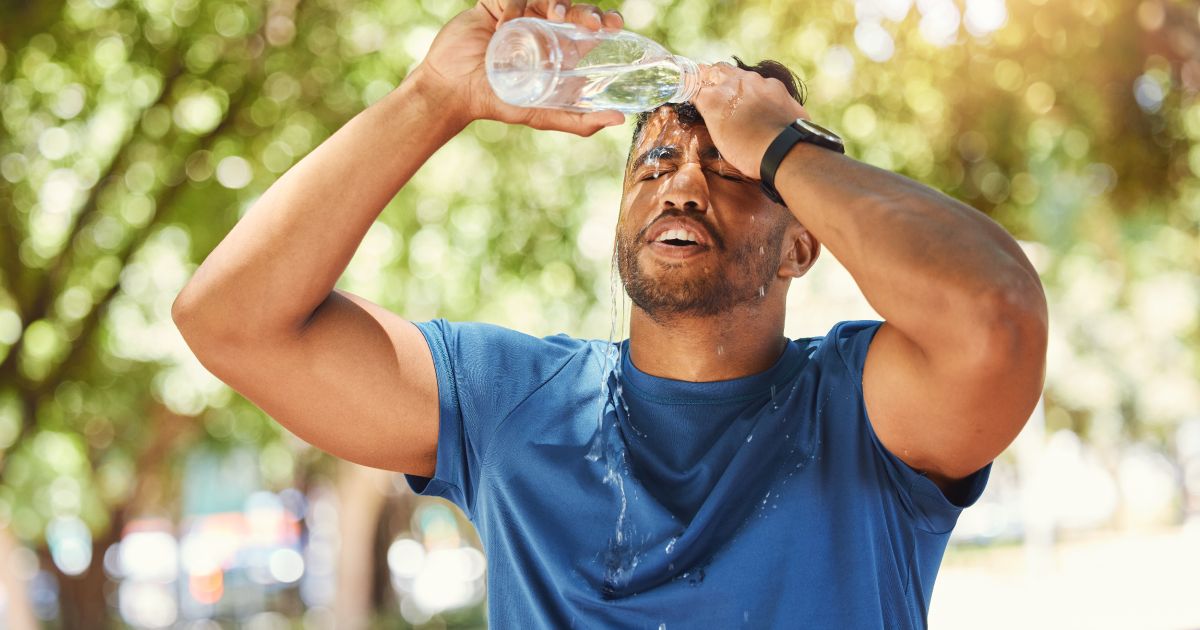
- Heat and sweat increase contamination risk
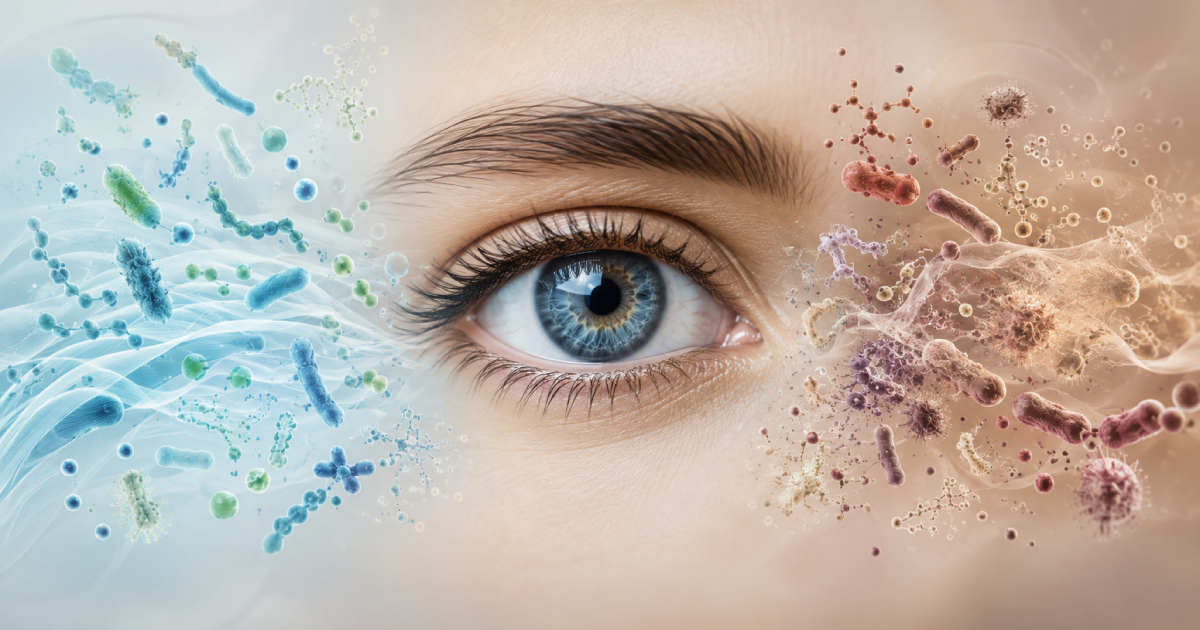
- Microbial exposure rises in water, soil, and high-moisture settings
These factors don’t make contacts unsafe, but they require extra care and smart protective strategies.
Dusty Environments: Construction Sites, Desert Winds, Outdoor Work
Dust is one of the most common triggers for contact lens discomfort.
Dust causes problems by:
- Particles can slip under the lens and scratch the cornea
- Dust sticks to the lens surface, reducing clarity
- Irritation increases rubbing, which raises infection risk
- Rough particles can create microscopic abrasions
- Even tiny scratches can make the eye more vulnerable to infection, including keratitis.
Protective strategies in dusty areas include:
- Wear wraparound safety glasses or protective goggles
- Reduce lens wear during extreme dust exposure
- Use lubricating eye drops to maintain moisture
- Keep lenses clean and replace them if contaminated
- Avoid rubbing your eyes, even if irritated
For prolonged exposure, many eye professionals recommend switching to glasses until conditions improve.
Chemical Exposure: Fumes, Vapors, and Splashes
Contact lenses should never be worn around chemical splashes, and caution is needed even with airborne vapors.
Chemicals are a concern because;
- Soft lenses absorb chemicals like a sponge
- Irritants can bond to the lens surface
- Exposure can cause corneal burns or inflammation
- Fumes can increase dryness and sensitivity
Workplaces involving solvents, acids, cleaning sprays, chlorine fumes, or industrial chemicals can increase risk.
Protective strategies for chemical environments include
- Wear certified chemical-resistant safety goggles
- Avoid contact lenses when splash risk is high
- Flush eyes immediately with clean water if exposed
- Replace lenses after chemical contact and never reuse them
- Use glasses instead of contacts for high-hazard tasks
Your eye health always comes first. When in doubt, choose caution.
OSHA provides detailed safety guidance on eye protection in chemical environments, including when contact lenses should not be worn.
Dry and Windy Conditions: Beach Days, Hiking, Air Conditioning
Dryness can affect comfort and vision even in relatively mild environments.
Issues caused by dry conditions include:
- Contact lenses dry out faster than natural eyes
- The lens can tighten against the cornea
- Wind blows particles directly into the eye
- Low humidity increases irritation
Protective strategies for dry or windy weather include:
- Wear sunglasses with side coverage
- Use preservative-free lubricating drops
- Stay hydrated as overall moisture matters
- Take breaks from lens wear during long outdoor activities
- Consider daily disposable lenses for cleaner, fresher wear
Water Exposure: Lakes, Pools, Hot Tubs, and Showers
Water and contact lenses do not mix well.
Risks linked to water exposure include:
- Microorganisms can adhere to the lens
- Acanthamoeba, a rare but serious infection, thrives in fresh water
- Soft lenses swell in water, changing shape and increasing irritation
- Chlorine binds to lenses and traps irritants
Protective strategies around water include:
- Avoid wearing contacts when swimming or showering
- If needed: wear daily disposables with sealed swim goggles
- Replace lenses immediately if water contacts your eyes
- Rinse eyes with sterile saline if irritation occurs
The American Academy of Ophthalmology highlights how environmental and climate conditions can affect overall eye health, including dryness and irritation that impact contact lens comfort.
When to Stop Wearing Contact Lenses Immediately
Remove your lenses right away if you experience:
- Sudden redness
- Sharp pain
- Light sensitivity
- Blurry or foggy vision
- A feeling that something is stuck under the lens
- Discharge or tearing that does not improve
These symptoms can signal early infection, dryness damage, or corneal abrasion.
The Takeaway
Contact lenses are safe and effective when used correctly, but the environments you move through - dusty job sites, chemical settings, dry air, water exposure, or windy conditions - can impact comfort and eye health. The key is recognizing risks, using the right protective strategies, and giving your eyes a break when conditions make contact lens wear unsafe.
At Urban Optiks Optometry, we help you choose the right contact lens type, educate you on environmental risks, and give you personalized guidance so your vision stays clear, comfortable, and protected no matter where your day takes you.
Share this blog post on social or with a friend:
The information provided in this article is intended for general knowledge and educational purposes only and should not be construed as medical advice. It is strongly recommended to consult with an eye care professional for personalized recommendations and guidance regarding your individual needs and eye health concerns.
All of Urban Optiks Optometry's blog posts and articles contain information carefully curated from openly sourced materials available in the public domain. We strive to ensure the accuracy and relevance of the information provided. For a comprehensive understanding of our practices and to read our full disclosure statement, please click here.