Double-Bridge Glasses Through the Decades
Read time: 6 minutes
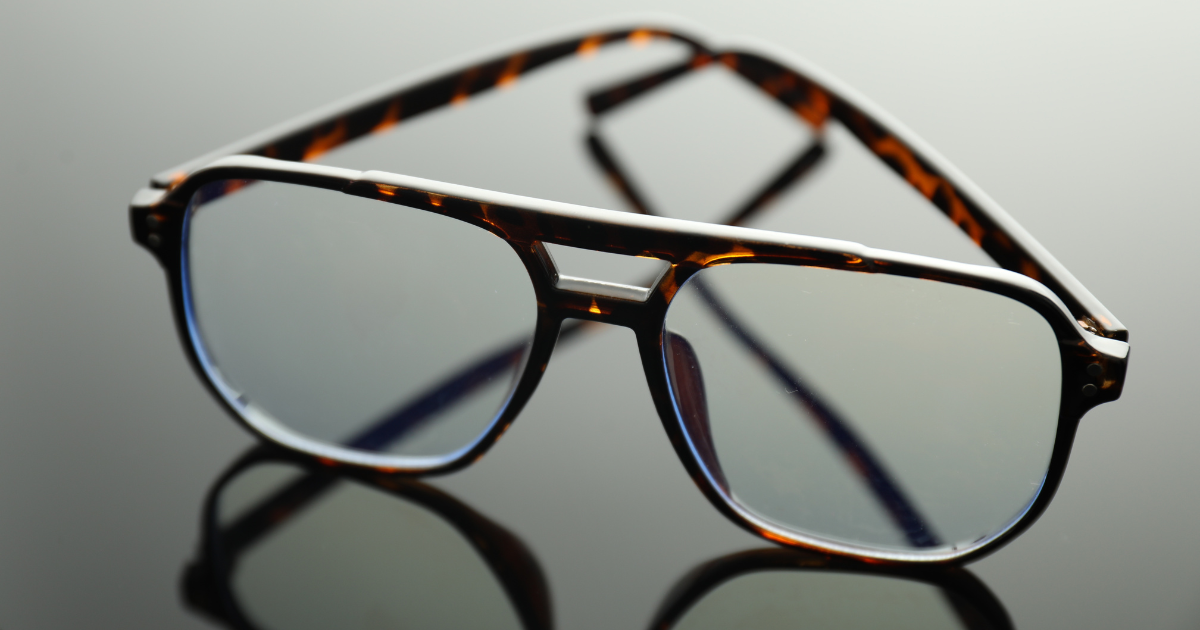
When you picture a pair of glasses, what details stand out first? For many people, it’s the shape or color. But for those who’ve paid close attention over the years, one design always brings something extra to the table, the double-bridge frame. It has a strong look that’s easy to recognize, but its appeal goes far beyond appearances. This structure brings added support, balance, and a distinct personality to modern optical eyewear. From pilots in wartime to style icons around the world, the double bridge has stayed relevant for decades. We’re taking a closer look at how it started, when it peaked, and why it still matters today.
Origins of the Double-Bridge Frame
Before the double bridge became stylish, it was practical. The earliest versions showed up in the early 20th century, especially in fields that needed extra support, like aviation and engineering. These frames often had two straight bars across the top, where the second bar helped keep the frame sturdy under pressure. It created more strength and stability in the center of the glasses, which was useful when people were moving fast or facing strong vibrations.
During wartime, particularly in the 1910s and 1920s, pilots needed eyewear that wouldn’t shake loose or bend too easily. A second bridge meant their glasses could take a bit more stress without falling apart. That reinforced grip helped keep lenses aligned correctly during quick shifts in motion or height.
At the time, glasses weren’t always thought of as stylish. But function drove the look of the double bridge, and that solid, grounded appearance gave the frame a signature feel that stuck around.
The Golden Age: Aviators and Iconic Influence
By the 1930s and 40s, the double-bridge design had found its spotlight. Aviator frames, which featured the classic teardrop lens shape and two top bars, hit the mainstream and stayed there. These were often made of metal, giving them a sleek but strong appearance. The double bridge wasn’t just a technical touch anymore, it became part of the style.
Hollywood fed into this shift. Actors wore aviators both on screen and off. The look started to mean confidence, control, and cool. That popularity moved from military heroes to movie stars, and then to everyday wearers who wanted something bold but practical.
During this time, frame materials stayed mostly metal or wire. The temples were usually slim, allowing the double bridge to be the standout feature. Even though the technology behind glasses improved, the basic elements of these frames stayed the same. They worked well, and they looked good doing it.
Shifting Styles: Retro to Minimalist
Fashion never stands still. In the 70s and 80s, double-bridge frames came back strong with oversized lenses, tinted glass, and bolder lines. These new takes on the classic look weren’t focused on function as much as personality. The second bridge often became part of a “statement” frame, something that shouted style from across the room.
But as the 90s rolled in and the early 2000s followed, that bold look started to shrink. Glasses got narrower, more streamlined. The same double-bridge style had to shift too. Designers started making the bars thinner, tighter to the face, or mixed into lightweight materials that didn’t weigh the frame down.
This is also when face shapes and lifestyle needs began to take more center stage. Certain designs worked better for wider faces or higher bridges. A double bridge added structure when needed, but it didn’t always look the same in every design. It shaped itself around the times. For example, in some frames, the double bridge became a barely noticeable, subtle second bar, while in others, the lines remained more defined to suit bolder tastes.
That shift into simpler, cleaner designs is one reason double bridges still show up often in modern optical eyewear. It allows for a quiet twist on the original look, letting people add a touch of classic style without feeling over-the-top. The adaptability of this design has made it easy to fit different wardrobes, from business attire to weekend casual.
Today’s Take: Function in Modern Minimalism
Double-bridge frames may have started in the military, but in today’s styles, they sit comfortably between strong design and subtle detail. They offer a small twist on a classic look while still fitting in with minimalist wardrobes. With advancements in materials like lightweight titanium or flexible acetate, designers can include a second bar without making the frame feel bulky.
Modern designs use the double bridge as a quiet feature. It helps balance the frame without drawing too much attention. That balance makes it popular for people who want something a little different but not too flashy.
- Lightweight materials keep the frame from feeling too heavy
- Neutral colors or thin metals make the double bridge blend in well
- Clean lines allow the frame to pair easily with both casual and formal looks
One more advantage of the modern double bridge is its ability to provide added comfort. With new lightweight designs, the pressure on the bridge of the nose is often reduced, making it more comfortable for everyday wear. For those who rely on their glasses from morning until night, comfort is just as important as appearance.
Double-bridge frames are also easy to care for, thanks to their sturdy construction. They hold their shape longer than some single-bridge designs and are less likely to bend with everyday use. This durability is appealing in a world where people want both style and practicality from their accessories.
Designers continue to refresh the double-bridge look each season, introducing new color finishes or mixing traditional metals with updated acetate patterns. Some frames feature a thin, almost invisible top bar, while others keep the second bridge as a contrasting color or a textured detail. Whichever you choose, the legacy of the double bridge is carried into each pair, connecting the past to the present.
A Frame That Bridges the Past and Present
What made double-bridge frames useful a century ago is what helps them stand out today. The design has moved through generations, evolving in shape while always maintaining a sense of balance, strength, and visual presence that supports both face and style.
From early pilots to modern design enthusiasts, the appeal has never disappeared. Instead, it has matured into something more refined and adaptable, fitting seamlessly into contemporary life. Whether worn along the sunny paths of San Diego or at a quiet desk in a home office, the double bridge continues to hold its place, carrying its history with ease while meeting modern needs.
At Urban Optiks Optometry, we offer eyewear that blends timeless design with modern function, making it easy to find frames that reflect both your personality and lifestyle.
Our curated selection of independent eyewear brands from around the world includes modern interpretations of double-bridge frames in titanium and acetate. The boutique features limited-edition styles and artisanal designs chosen for their balance, craftsmanship, and everyday wearability.
Even with today’s updates, the double bridge still does what it has always done. It supports the structure of the frame and helps maintain proper alignment through daily movement. Whether you are refreshing your look or searching for eyewear that combines support with understated design, today’s double-bridge frames deliver both comfort and character. We invite you to explore our collection and let us guide you toward eyewear that looks exceptional and feels right every day.
Share this blog post on social or with a friend:
The information provided in this article is intended for general knowledge and educational purposes only and should not be construed as medical advice. It is strongly recommended to consult with an eye care professional for personalized recommendations and guidance regarding your individual needs and eye health concerns.
All of Urban Optiks Optometry's blog posts and articles contain information carefully curated from openly sourced materials available in the public domain. We strive to ensure the accuracy and relevance of the information provided. For a comprehensive understanding of our practices and to read our full disclosure statement, please click here.